A 2 minute assessment to get a personalized mental health or alcohol recovery plan.

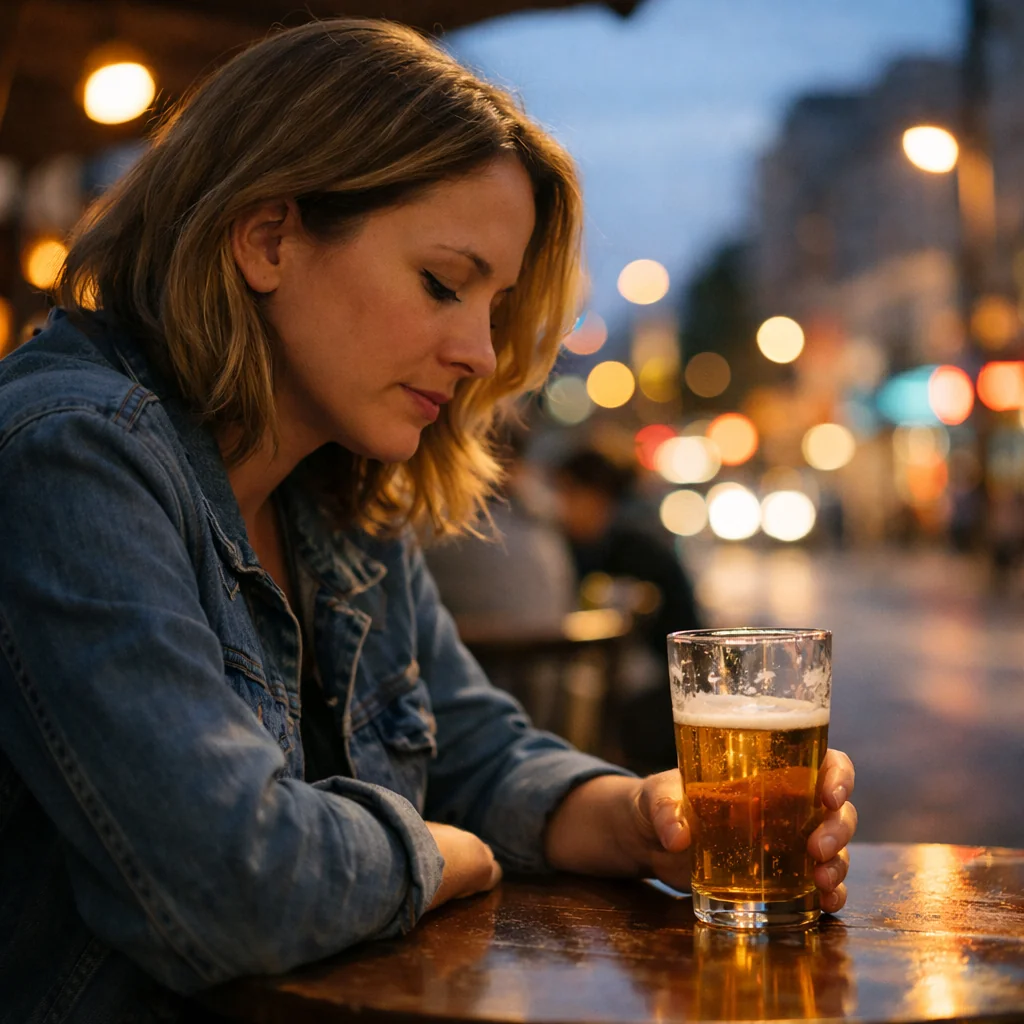
There is usually no dramatic moment. One day you notice the drink you used to look forward to is just something you do now, and it mostly makes the next morning worse.
What You'll Discover:
• The quiet turning point when fun became routine.
• What tolerance is actually doing to your buzz.
• Why the same drinks deliver less and less.
• Signs your drinking has shifted from then to now.
• What hangxiety is telling you.
• How to reassess without slapping a label on it.
Think back to what drinking used to feel like. The first beer at a summer party, the wine that made a good dinner better. There was a lift to it. It felt like the fun part.
Now, if you are honest, a lot of it feels like something else. A habit. A reflex at the end of the day.
A drink you have less because you want it and more because it is just what happens at 7 p.m.
There was probably no single moment it changed. That is what makes it easy to miss.
Noticing it does not mean something is wrong with you. It usually means your brain has been quietly doing exactly what brains do with a repeated reward. And understanding that is the whole game.
The Moment Fun Became Routine
For most people, drinking starts in the "fun" column. It is tied to novelty, celebration, and connection. The buzz is genuinely part of the good time.
The shift is gradual. The celebratory drink becomes the Friday drink, which becomes the weeknight drink, which becomes the drink you barely notice pouring.
Somewhere in there, the emotional job changes. It stops being about adding to a good moment and starts being about taking the edge off an ordinary one.
The lift becomes a leveling-out. You are not chasing a high anymore, you are just topping up to feel normal.
That is not a moral failure. It is a well-worn groove, and grooves form quietly, one ordinary evening at a time.
If any of this feels familiar but not alarming, our piece on gray area drinking is written for exactly that in-between space.
What Tolerance Is Actually Doing
The reason the fun fades has a name, and it is tolerance. It is not just about handling more alcohol. It is about getting less out of it.
When you drink, alcohol triggers a release of feel-good chemistry in the brain's reward system. That surge is the pleasant buzz. Early on, it does not take much.
Do it regularly, and your brain adapts. It dials down its own response to keep things balanced, so the same amount of alcohol produces a smaller lift.
Researchers describe alcohol dependence partly as a reward deficit. The brain's baseline for feeling good quietly drops, so you need the drink just to feel normal, not good.
That is the cruel math of it. The thing you are chasing gets harder to catch, precisely because you keep chasing it.
The brain systems behind this are well mapped. Reviews of the neurobiology of alcohol and motivation show that repeated drinking rewires the circuits for reward and habit.
The behavior keeps going even as the payoff shrinks. Your habit outlasts your enjoyment, which is a strange and slightly unsettling thing to notice about yourself.
Diminishing Returns, Explained
Put tolerance into everyday terms and you get diminishing returns.
The buzz you got from two drinks at 25 now takes three or four. And even then, it is flatter. Less of a lift, more of a numbing.
Meanwhile the cost side climbs. Worse sleep, groggier mornings, a lower mood the next day.
You are paying more and getting less, which is the definition of a bad deal you did not consciously agree to.
There is also a shift in why you drink at all. Research on how drinking patterns change describes a move from drinking for reward toward drinking for relief and out of pure habit.
The reason quietly swaps from "this is fun" to "this settles me" to "this is just what I do." That progression is the whole story of drinking stopping being fun, told in brain chemistry.
Then vs Now: Signs It Shifted
Sometimes it helps to see the shift laid out. None of these are a diagnosis. They are just an honest snapshot.
If the right column feels more like your life than the left, that is worth paying attention to. Not with panic. With curiosity.
Hangxiety as a Tell
One of the clearest signals of the shift is the next-morning feeling that has a nickname now: hangxiety.
That jittery, low-grade dread after a night of drinking is not random. As your body clears alcohol, your nervous system rebounds into an overstimulated state.
That rebound shows up as anxiety, restlessness, and a flat mood. It is chemistry, not character.
The science on the alcohol hangover confirms that mood disturbance, especially anxiety, is a core part of it. It is not a coincidence or a personal weakness.
Here is the telling part. When drinking was fun, the morning after was mostly a physical tax. Now, the emotional cost has crept in.
The dread often outweighs whatever the night delivered. We unpack the whole loop in our guide to hangxiety, because once you can name it, it loses some of its grip.
When the anxiety of the morning after starts to outweigh the fun of the night before, the deal has officially gone upside down.
The Sneaky Part: Chasing an Old Feeling
Here is what keeps a lot of people stuck. They are not really drinking for tonight. They are drinking for a memory.
Somewhere in the back of your mind is the version of drinking that used to work. The easy buzz, the loosened shoulders, the fun that came without a price tag.
So you keep going back to the well, expecting that feeling to return. It rarely does, because tolerance moved the goalposts a long time ago.
That is why "just one more" is so tempting in the moment. You are trying to top up to a high that your brain no longer hands out at that dose.
Recognizing that you are chasing a feeling that has already left is oddly freeing. It means the problem is not that you are doing it wrong. The math simply changed, and no amount of extra drinks fixes it.
It also explains why cutting back can feel counterintuitive but works. When you give your brain a break, its reward system slowly resets, and smaller amounts start registering again.
In other words, less can eventually mean more. The break is what lets a single drink feel like something again, instead of a maintenance dose.
That is a hopeful thing to sit with. The pleasure did not vanish for good. It just needs room to come back, and you control the room.
What the Shift Quietly Costs
The fading buzz is the obvious loss. The quieter costs are the ones that add up.
Sleep is usually first to go. Even a couple of drinks fragment the deep sleep your brain needs, so you wake unrested and reach for caffeine to paper over it.
Then there is presence. When a drink becomes the automatic backdrop to every evening, you are technically there but slightly checked out, and the people around you notice before you do.
Mornings lose their edge too. The workout you meant to do, the early call you wanted to feel sharp for, the simple pleasure of waking up clear. All of it gets a little dimmer.
None of these are dramatic on any single night. That is the trap. The cost is spread so thinly across so many ordinary evenings that it never quite triggers an alarm.
Add it up over a month, though, and the picture changes. A habit that stopped delivering pleasure is quietly charging you sleep, focus, and time with the people you like most.
Seeing the full bill is not meant to scare you. It is meant to make the choice honest. You get to decide whether what you are getting is worth what you are paying.
Reassessing Without a Label
Here is the part that trips people up. They assume that questioning their drinking means they have to call themselves something.
You do not.
You can notice that drinking has stopped being fun and decide to change it without adopting a single label. This is not a courtroom.
There is no threshold you have to cross to be "allowed" to want less of something that stopped serving you.
Most people in this spot are not in crisis. They are just paying attention, which is a strength, not an alarm bell.
Reassessing can be as simple as getting curious about when and why you reach for a drink. Our piece on mindful drinking is a good, low-pressure place to start that noticing.
The goal is not to pass a test. It is to get an honest read on whether this habit is still giving you anything.
A Gentle Way Forward
If you have decided the deal has gone bad, the path forward does not have to be dramatic.
For a lot of people, cutting back is enough to reset the whole thing. Fewer nights, smaller amounts, and the brain slowly recalibrates its reward system back toward baseline.
The mornings clear, the mood lifts, and small pleasures start feeling like enough again. Our overview of the benefits of drinking less walks through what tends to come back first.
Sometimes, though, the groove is deep enough that willpower alone keeps sliding. That is common, and it is not a character flaw. It is the tolerance loop working against you.
That is where naltrexone can help. It is a non-addictive daily tablet (50mg) that gently blocks the brain's reward response to alcohol, which helps break the automatic pull.
Many people find that over a few weeks the reflexive reach for a drink simply gets quieter. That makes it far easier to reassess with a clear head instead of a running argument.
The bigger point is that you have options between "keep going as is" and "quit forever." Most people never need the extremes.
Cutting back, getting curious, adding a little support if the pattern is stubborn. Those middle moves are where the real, durable change tends to happen, and none of them require calling yourself anything.
The Bottom Line
Drinking stopping being fun is not a mystery, and it is not a personal failing. It is tolerance doing its quiet work, turning a lift into a leveling-out and a reward into a routine.
The signs are all there once you look. More drinks for less feeling, worse mornings, the creep of hangxiety, the shift from wanting a drink to just having one.
You are allowed to notice all of that and want something different, no label required.
The habit that stopped giving you anything is one you get to put down, gently and on your own terms.
Frequently Asked Questions
Why doesn't drinking feel fun anymore?
Your brain adapts to regular drinking by dialing down its own reward response, so the same amount produces a smaller lift. Over time you end up drinking to feel normal rather than to feel good.
Is it normal for alcohol to stop giving me a buzz?
Yes. It is tolerance, and it is extremely common. The buzz shrinks while the downsides like poor sleep and low mood grow, which is why the whole thing starts feeling flat.
What is hangxiety and why do I get it now?
Hangxiety is the anxiety and dread the morning after drinking. It happens because your nervous system rebounds into an overstimulated state as alcohol leaves, and it often gets more noticeable as drinking becomes routine.
Do I have to call myself an alcoholic to cut back?
No. You do not need any label to decide a habit has stopped serving you. Plenty of people simply want less of something that no longer feels good.
Will cutting back make drinking enjoyable again?
For many people, yes. Drinking less lets the brain's reward system recalibrate over time, so both alcohol and everyday pleasures can start to register more.
Can medication help if willpower isn't enough?
It can. Naltrexone reduces the reward the brain gets from alcohol, which quiets the automatic pull. It is used by people across the spectrum, not only those with severe problems.
If drinking has quietly turned from the fun part into the routine part, you can reassess with a little support. Take a quick, discreet online Alcohol Use Assessment to see whether naltrexone could be a good fit for you.