A 2 minute assessment to get a personalized mental health or alcohol recovery plan.

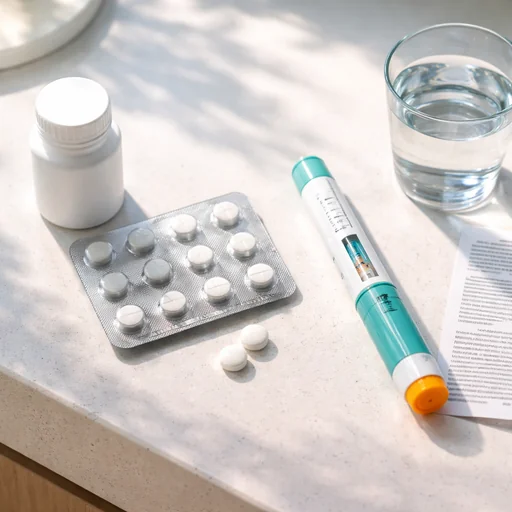
One of the most important things about taking naltrexone to reduce alcohol use is figuring out the right dose. It can take a few tries to get dialed in, but there are a few signs that it may be time to increase your daily dose of naltrexone.
What You’ll Learn:
• The basics of naltrexone dosing and getting it right based on personal needs.
• If you’re starting at 25mg or lower.
• If you’re still feeling buzzed when you drink.
• If your cravings and drinking haven’t changed.
• If you aren’t experiencing side effects.
• Other considerations before increasing your naltrexone dose.
Naltrexone is a once daily alcohol medication, but it isn’t one-size-fits-all. Bodies process it differently, the way people drink, why they drink and how sensitive they are to the medication all vary. A dose that works well for one person can feel like too little, or too much, for another.
That matters because naltrexone works best when it's taken consistently at a dose that actually does its job. Too low a dose can leave you feeling as though the medication isn't working, which is a common reason people give up on it too soon. Too high a dose, or when it’s raised too quickly, can bring on side effects that make it hard to stay the course.
So, how do you know if you need to increase the dose of naltrexone? It may be time to consider it if you experience any of the following situations.
If You’re Starting at 25mg or Lower
Many naltrexone prescribers begin with 25 mg, or even less, to give the body time to adjust. This approach is common because nausea, headaches and dizziness are most likely in the first days, and a gentler start makes those easier to manage.
But a starting dose is just that - a starting point. The standard dose for treating alcohol use disorder is 50 mg, and many people find that a lower dose doesn't provide the full benefit.
If you've been on 25 mg or lower for a week or two, you've settled in without much trouble and you're not noticing a change in how alcohol feels or how strongly you crave it, it's reasonable to ask your prescriber whether it's time to increase the dose.
If You’re Feeling Buzzed Still When You Drink
Naltrexone works by blocking opioid receptors in the brain. When alcohol is consumed, the brain releases endorphins that help create the pleasurable, rewarding buzz. With naltrexone on board, that reward is dulled, so alcohol tends to feel less satisfying and becomes easier to leave alone.
If you're drinking and still feeling the same warmth, lift or pleasure you always have, the medication may not be blocking enough of that effect. That's one of the things worth bringing up to your prescriber.
It helps to pay attention to specifics like:
• Does the first drink or two still feel rewarding?
• Do you feel the same urge to keep going once you've started?
• Does alcohol feel noticeably less enjoyable than before, or about the same?
Keep in mind that naltrexone doesn't make you feel drunk-proof or sick when you drink. Its effect is often subtle: drinks feel flat, less rewarding or not worth it. If you notice no difference at all, that's useful dosing information.
If Your Cravings and Drinking Hasn’t Changed
Cravings and the amount you drink are two of the most practical measures of whether a dose is working. If you've been taking naltrexone as prescribed for several weeks and notice that:
• Your cravings are as strong or frequent as before
• You're drinking about the same amount
• It's still hard to stop after one or two drinks
These are signals the dose may need an adjustment. Progress with naltrexone is often gradual, so a lack of change in the first few days isn't cause for alarm. But after a reasonable trial, flat results usually warrant increasing the dose.
It can help to keep a simple log. Note how many drinks you have, how strong the urge feels on a scale of 1 to 10, and how alcohol feels when you drink. A week of notes gives your prescriber something concrete to work with.
If You Aren’t Experiencing Side Effects
Common naltrexone side effects include nausea, headache, dizziness, fatigue, trouble sleeping and a drop in appetite. For many people they're mild and fade within the first week or two.
If you've been on a low to standard dose and feel nothing at all, that can be a good sign that your body is tolerating the medication well and has room to go higher. A smooth experience on 25 mg often makes moving to 50 mg an easy next step. And going up to 75 mg for a while after being on 50 mg could help if you're still having cravings.
There is an important caveat, though. No side effects does not automatically mean the dose is too low. Plenty of people get a full benefit from naltrexone without feeling much of anything. Side effects are a sign of tolerability, not effectiveness.
Before Increasing the Dose, Consider This
Sometimes naltrexone seems ineffective for reasons that have nothing to do with the dose. Before assuming you need more, check these factors:
Consistency. Missed or irregular doses can make it seem like a medication that isn't working. Naltrexone needs to be taken as prescribed, whether that's daily or timed before drinking.
Timing. If you're taking it only occasionally or well before or after you drink, its effect may be weaker than it should be.
Underlying triggers. Stress, anxiety, poor sleep or loneliness can drive drinking that no medication fully addresses. Therapy, support groups and routine changes work alongside naltrexone.
Expectations. Naltrexone reduces the reward and craving for alcohol. It doesn't stop you from drinking, so it works best when combined with a real intention to cut back or quit.
Giving it enough time. Effects often build over several weeks to several months.
If all of these are in place and the medication still isn't doing much, a dose adjustment becomes a much stronger conversation to have.
Choose Your Horizon offers the convenience of an online naltrexone prescription while still giving you easy access to clinicians. Changing your dose is done in a safe, thoughtful manner to find the right balance where you get the full benefit without side effects.
Take the first step by taking the Alcohol Use Assessment.