A 2 minute assessment to get a personalized mental health or alcohol recovery plan.

Nightly drinking is a habit loop, not a character flaw, and you can break it by changing the cue, the routine, or both.
What You'll Discover:
• Why the after-work drink turns into an automatic nightly ritual.
• A simple cue-routine-reward framework for breaking the loop.
• Six practical steps to stop drinking every night.
• Where naltrexone fits for easing nightly cravings.
• An important safety note about quitting suddenly.
If you pour a drink every night without really deciding to, you are not weak. You are running a habit, and habits are built to run on autopilot.
The nightly drink usually starts as a small reward and quietly becomes a fixed part of the evening. Then one day you realize you cannot remember the last night you skipped it.
Here is the good news. Anything learned can be unlearned. This is a practical guide to breaking the nightly pattern, with one important safety note up front.
Why a Nightly Drink Becomes a Ritual
Most nightly drinking follows a loop that researchers break into four parts: cue, craving, response, and reward.
The cue is the trigger. For a lot of people it is the moment work ends, the drive home, or the first quiet stretch of the evening when the day finally goes still.
That cue sparks a craving. The craving pushes you toward the response, which is the drink. The drink delivers a reward, a quick sense of relief, and the loop locks in a little tighter.
Research on the habit loop behind drinking shows how cues trigger automatic alcohol-seeking, even when someone consciously wants to cut back.
The key word there is automatic. The more times the loop runs, the less thinking it requires. Eventually your hand reaches for the bottle before your brain weighs in.
This is why willpower at 7pm so often fails. By then the cue has already fired and the craving is rolling. You are trying to slam the brakes after the car is already moving.
The wind-down drink is the classic version of this. After a stressful day, alcohol becomes the signal that work is over and you are finally allowed to relax.
The drink and the relief get fused together in your mind. So it stops feeling like a choice and starts feeling like the natural end of the day.
Stress is the most common cue, but it is far from the only one. Boredom, loneliness, celebration, and even certain people or places can all flip the same switch.
That is worth knowing, because it means the fix is rarely about alcohol alone. It is about what the drink is doing for you, and finding a better way to meet that need.
Once you see the loop for what it is, you get your leverage back. You do not have to fight the craving head-on. You can change the loop earlier, where it is much easier to redirect.
Think of the loop like a path worn into a lawn. Every time you walk it, the groove gets deeper. Carving a new path takes a bit of effort at first, then it becomes the route you take without thinking.
A Safety Note Before You Change Anything
Before the steps, one point that matters more than any of them. If you drink heavily every single day, do not stop suddenly on your own.
For someone who is physically dependent on alcohol, quitting cold turkey can set off withdrawal that ranges from miserable to genuinely dangerous.
According to medical references on alcohol withdrawal syndrome, withdrawal can include seizures, which tend to show up 12 to 48 hours after the last drink.
A smaller share of people develop a severe state called delirium tremens. It can cause confusion, fever, and a racing heart, and without treatment it can be life-threatening.
So here is the rule of thumb. If you drink large amounts daily, or you have ever felt shaky, sweaty, or sick when you skipped drinking, talk to a clinician before you cut back.
Tapering with medical guidance is the safe route, not a sign of failure. We explain this in more detail in our guide to stopping drinking cold turkey.
For most moderate nightly drinkers, easing off gradually is perfectly safe. When you are not sure which group you fall into, a quick medical opinion settles it.
This warning is not meant to scare you off changing. It is meant to make sure you change in a way that keeps you safe.
Step 1: Find Your Trigger
You cannot change a loop you cannot see. So the first step is to spot the exact cue that kicks off your nightly drink.
Pay attention for a few evenings. Notice the moment the urge arrives. It usually shows up at a predictable time, place, or feeling.
For one person it is walking in the door. For another it is sitting down after dinner, or a wave of stress, or the second the kids are finally in bed.
The NIAAA's strategies for cutting down suggest watching for the people, places, times, and feelings that pull you toward a drink.
Once you can name your trigger, you can plan around it. The cue stops being invisible, and that changes everything.
Write it down if that helps. The goal is to catch the cue before it turns into a drink, while you still have room to choose.
Step 2: Swap the Routine, Keep the Cue
Here is the move most people miss. You do not have to erase the cue. You usually cannot. What you can do is give it a new response.
The cue still fires when you get home. Instead of reaching for a drink, you reach for something else that delivers a real reward.
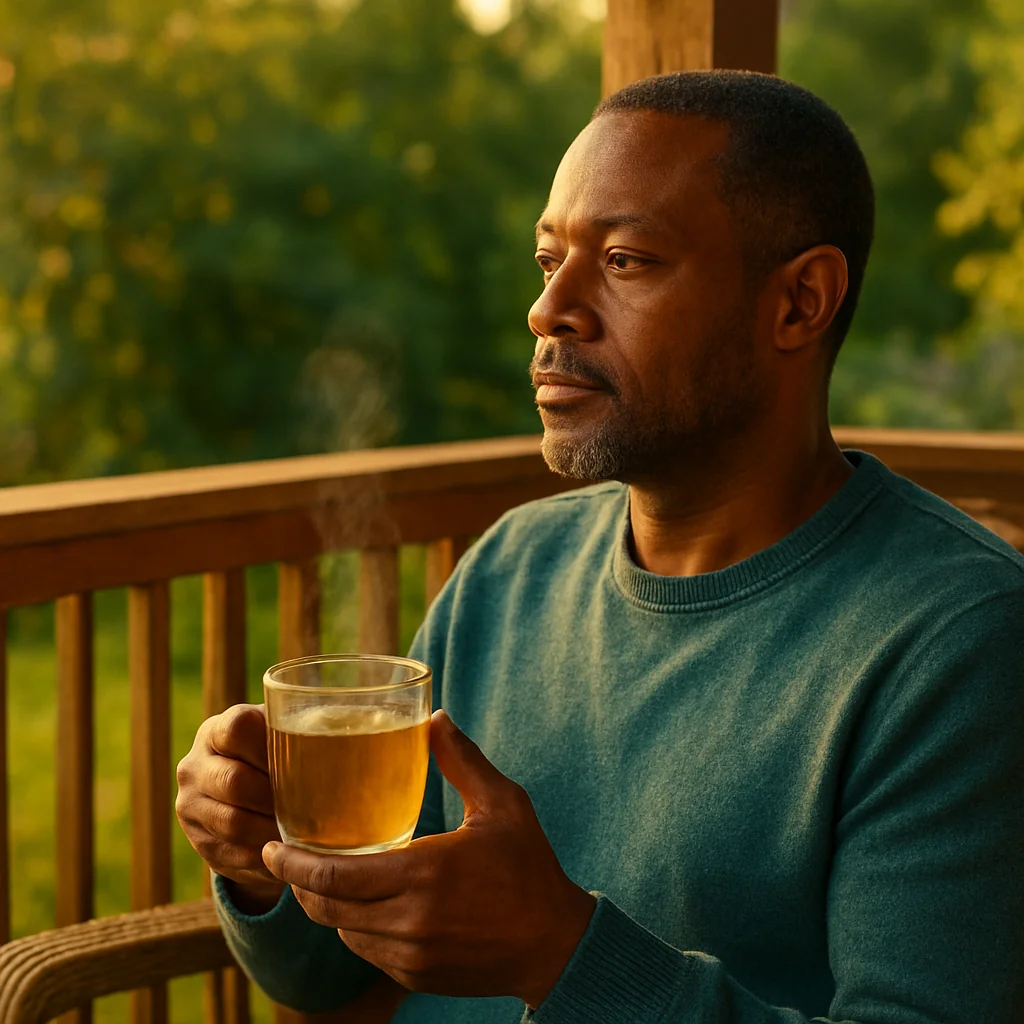
A cup of tea. A short walk. A workout. A hot shower. A sparkling water with lime and a good show. The cue is the same, the routine is new.
The trick is to pick something that genuinely feels good. The brain is hunting for a reward, so a replacement that feels like a chore will not hold.
Make it pleasant, not punishing. If your swap feels like a punishment, the old loop will win the moment your willpower dips.
Give it a couple of weeks. The new routine starts to feel automatic in the same way the drink used to. You are not fighting the loop. You are quietly reusing it.
It helps to line up the swap before the cue hits. Have the tea ready, the running shoes by the door, the sparkling water already cold. Decisions made in advance beat decisions made on cue.
Step 3: Schedule Alcohol-Free Nights
Breaking a daily pattern gets a lot easier when you have specific nights off, planned in advance instead of decided in the moment.
Pick two or three nights this week that will be alcohol-free. Put them on the calendar like any other commitment, because that is what they are.
Deciding ahead of time removes the nightly debate. There is no negotiating with yourself at 8pm, because the choice was already made when your head was clear.
The NIAAA recommends building in days with no drinking at all as a core part of cutting back. Each one chips away at the daily automatic pattern.
There is a bonus too. Every alcohol-free night proves to your brain that the evening can be good without a drink. That evidence adds up fast.
Start small if a few nights feels like a stretch. Even one planned night off is a real crack in the habit, and you can add more as it gets easier.
It also helps to have a plan for what you will do on those nights instead. An empty evening with nothing to fill it is exactly when the old cue comes knocking.
Step 4: Change Your Environment
Your surroundings steer your choices more than you might think. If alcohol is the easiest thing to reach, you will reach for it.
So make the drink less convenient. Keep less alcohol in the house, or none at all. Move it out of sight, into a high cabinet or the garage.
Then stock the fridge with drinks you actually enjoy that are not alcoholic, so the easy grab is something else. Convenience is a powerful nudge, and you can point it in your favor.
You can also rearrange the cue itself. If you always drink in one chair while watching TV, sit somewhere else for a while, or start the evening with a different activity.
Small friction adds up. Every extra step between you and a drink gives the thinking part of your brain a moment to catch up with the automatic part.
The people around you matter too. If your evenings always involve a drinking buddy, let them know what you are doing. The right people will back you up, and the rest tell you something useful.
Step 5: Track What You Drink
It is hard to change something you are not measuring. Tracking turns a vague feeling of drinking too much into clear, honest numbers.
Keep a simple count. A note in your phone, a check mark on a calendar, or a tracking app all work fine. Write down what you drink each night and roughly when.
Tracking does two jobs at once. It keeps you honest, and it shows your progress, which matters most on the nights that feel hard.
A lot of people are surprised by what the numbers reveal once they actually look. The total often runs higher than the story they had been telling themselves.
That surprise is useful, not shameful. It gives you a real baseline to improve on, and watching the count drop becomes its own quiet motivation.
Tracking the time of day helps too. If most of your drinks land in a narrow window, that is your cue staring right back at you, and now you know exactly where to aim the other steps.
We share more practical methods in our guide to cutting back on drinking, including how to set targets that feel realistic instead of crushing.
Step 6: Get Support, Including Naltrexone
You do not have to white-knuckle this alone. The people who get support tend to do better than the people who rely on willpower by itself.
Support can mean a friend who checks in, a coach, a group, or a medication that takes the edge off cravings. Often the strongest approach combines a few of these.
This is where naltrexone fits. It is an oral 50mg tablet that gently blocks the brain's reward response to alcohol, so the nightly craving loses much of its pull.
Remember the loop. The reward is what keeps it spinning. When naltrexone quiets that reward, the whole cycle gets weaker and easier to step out of.
For nightly drinkers, naltrexone can be taken daily, or taken about an hour before the time you usually drink. Both approaches work, and a clinician can help you choose.
The NIAAA's tips on handling alcohol cravings pair well with medication. Urge-surfing and distraction handle the moment while the medication handles the reward.
We explain the medication side in our article on whether naltrexone stops alcohol cravings.
Naltrexone is not a willpower replacement, and it is not magic. It lowers the volume on cravings so the habit changes above actually have room to take hold.
And if late evenings are your hardest stretch, our guide to alcohol cravings at night digs into why that is and what helps.
When to Get Medical Help
Most people can cut back on nightly drinking with the steps above. Some need more support, and asking for it is a sign of strength, not weakness.
Reach out to a clinician if you cannot get through a single night without a drink. The same goes if you feel physical withdrawal when you skip, like shaking, sweating, or nausea.
It is also worth reaching out if drinking is starting to affect your health, your work, or your relationships. Earlier is always easier than later.
You do not need to hit a crisis point to deserve help. Wanting your evenings back, clear and your own, is reason enough to make a change.
Getting help early tends to make everything easier. The longer a nightly habit runs, the deeper the loop carves in, so the sooner you act the less there is to undo.
The Bottom Line
Drinking every night is a habit loop, not a moral failing. It formed through repetition, and it comes apart the same way, one changed evening at a time.
Find your trigger. Swap the routine. Plan alcohol-free nights. Reshape your space. Track your drinks. Lean on support. And if you drink heavily every day, get medical guidance before you stop.
None of these steps require you to be perfect. They just need you to start, and to be a little kinder to yourself than the habit has been.
A slip on one night does not erase the progress from the others. What matters is the overall direction, and that you keep going after an off night instead of writing the whole effort off.
Frequently Asked Questions
Is it bad to drink every night?
Nightly drinking builds tolerance and can turn into dependence, even at moderate amounts. It also disrupts sleep and mood, so most people feel better cutting back.
How do I stop drinking every night?
Find the cue that starts your nightly drink, then swap the routine for a reward that is not alcohol. Plan alcohol-free nights, change your environment, and track what you drink.
Is it safe to quit drinking cold turkey?
If you drink heavily every day, stopping suddenly can cause dangerous withdrawal, including seizures. Talk to a clinician first and taper with medical guidance rather than quitting alone.
How long does it take to break a nightly drinking habit?
A new routine often starts to feel automatic in a couple of weeks. The loop carves in through repetition, and it comes apart the same way, one changed evening at a time.
Can naltrexone help me stop drinking every night?
Naltrexone is a 50mg tablet that blunts the brain's reward from alcohol, so the nightly craving loses its pull. It can be taken daily or about an hour before you usually drink.
If you want help easing nightly cravings and breaking the pattern, you can take an online Alcohol Use Assessment to see if naltrexone is a good fit for you.