A 2 minute assessment to get a personalized mental health or alcohol recovery plan.


Alcohol does not directly cause hair loss, but heavy drinking can starve your follicles of the nutrients they need, and that kind of shedding is usually reversible.
What You'll Discover:
• Why alcohol is not a direct cause of hair loss.
• How drinking robs your follicles of key nutrients.
• The way stress and hormones feed into shedding.
• Whether alcohol-related hair loss grows back.
• How to support regrowth while you cut back.
If you have noticed more hair in the drain or on your pillow and you also drink regularly, it is natural to connect the two. The good news is that the connection is not as direct or as permanent as it might feel.
Alcohol does not cause baldness the way genetics do. What heavy drinking can do is create the conditions that lead to temporary shedding, mostly by interfering with nutrition, sleep, and stress.
That distinction matters, because it changes the outlook. Genetic hair loss follows its own path. The shedding tied to drinking is the kind that tends to recover once the underlying cause is addressed.
So if you are reading this with a worried eye on the shower drain, the takeaway is hopeful. Understanding the why is the first step to slowing the loss and giving your hair what it needs to come back.
How Hair Growth and Shedding Work
To understand where alcohol fits, it helps to know that hair grows in cycles. Each follicle moves through phases rather than growing forever.
Most of your hair is in the growing phase, called anagen, which can last years. A smaller share is resting and shedding in the telogen phase. On a normal day, losing 50 to 100 hairs is completely typical.
Trouble shows up when too many follicles get pushed into the resting and shedding phase at once. Instead of a steady trickle, you see noticeable thinning and clumps of loss a couple of months after the trigger.
This delayed pattern is key. The shedding you notice today often reflects a stressor from two or three months ago, which is why the cause is not always obvious.
It also means improvements lag behind your changes. When you start drinking less and eating better, your hair will not respond overnight. Give it a couple of months before judging whether things are turning around.
Telling Alcohol Shedding Apart From Genetic Loss
It helps to know which kind of hair loss you are dealing with, because they look and behave differently.
Genetic hair loss, the most common type, tends to follow a predictable map. In men it usually starts at the temples and crown. In women it often shows as widening at the part with overall thinning on top.
Shedding linked to alcohol and stress looks different. It is usually diffuse, meaning hair thins fairly evenly across the whole scalp rather than in a specific pattern, and it comes on faster.
If you are seeing sudden, all-over shedding rather than a slowly receding hairline, the reversible kind tied to nutrition and stress is more likely. Many people have a mix of both at once.
The practical upshot is the same either way. Cutting back protects the hair you have and removes the extra shedding sitting on top of any genetic pattern.
The Real Link: Nutrient Malabsorption
The strongest connection between alcohol and hair loss runs through nutrition. Hair follicles are some of the most metabolically active cells in your body, and they are picky about fuel.
Heavy drinking undermines that fuel supply in two ways. It often replaces nutritious food with empty calories, and it actively interferes with how your gut absorbs nutrients.
Alcohol calories are real calories, but they bring almost no vitamins or minerals. When a chunk of your daily intake comes from drinks, the nutritious food that would feed your follicles gets crowded out.
A detailed review on how alcohol interferes with absorbing nutrients describes reduced absorption of zinc, iron, and several B vitamins in the small intestine of people who drink heavily.
Those are exactly the nutrients hair depends on. A review of why iron, zinc, and B vitamins matter for hair links deficiencies in iron, zinc, vitamin D, and B vitamins to increased hair loss.
Protein matters too. Hair is mostly made of a protein called keratin, and a diet short on protein gives follicles too little to build with.
Work on how low protein and crash dieting can trigger shedding shows how quickly poor intake can show up in your hair.
Zinc deserves a special mention. It is a building block for the enzymes that keep follicles working, and chronic drinking is a recognized cause of zinc deficiency. We go deeper into this in our guide to alcohol and vitamin deficiency.
Stress and Telogen Effluvium
Nutrition is not the only path. Physical and emotional stress can push large numbers of follicles into the shedding phase, a pattern doctors call telogen effluvium.
This is a common, reversible shedding pattern triggered by stressors like illness, major life events, crash dieting, and the metabolic strain of heavy drinking.
Alcohol stresses the body in several ways. It disrupts sleep, taxes the liver, and keeps inflammation elevated. Your body treats hair growth as non-essential, so under stress it diverts resources away from your follicles.
The shedding usually appears a couple of months after the stressful period, then improves once the stressor lifts. That timing is why the connection to a rough stretch of drinking is easy to miss.
It can feel alarming when it happens, because the loss is often noticeable all at once. The reassuring part is that telogen effluvium does not cause permanent baldness on its own.
The follicles are simply resting, and they restart once conditions improve.
Hormones and Dehydration
Two smaller pathways round out the picture. Neither causes permanent loss on its own, but both can nudge things in the wrong direction.
Alcohol can shift hormone levels, including stress hormones like cortisol and sex hormones. Hormonal swings can affect the hair cycle and tip more follicles toward shedding.
Dehydration plays a supporting role. Alcohol is a diuretic, and a dehydrated scalp is a less hospitable environment for healthy growth. It will not cause hair loss by itself, but it adds to the strain.
There is also a knock-on effect through the liver. The liver helps process hormones and store some nutrients, and when it is busy handling heavy drinking, that balance can slip. Healthier liver function tends to come with healthier hair.
The throughline is that alcohol does not attack your follicles directly. It weakens the systems that keep them fed, rested, and balanced. Here is how the main pathways map out.
Is Alcohol-Related Hair Loss Reversible?
Here is the part most people are searching for. In most cases, yes, hair loss linked to drinking is reversible.
Because the shedding comes from nutrition, stress, and the hair cycle rather than permanent follicle damage, removing the cause lets follicles recover. The follicles are dormant, not dead.
Once you cut back and your nutrition improves, your body can restock the zinc, iron, B vitamins, and protein your hair needs. Stressed follicles move back into the growing phase.
Regrowth takes patience. Hair grows slowly, about half an inch a month, so it can take several months to see new growth and longer to feel like yourself again. The shedding usually stops well before the regrowth becomes visible.
This kind of recovery mirrors what happens elsewhere in the body when you drink less, which we cover in our overview of how alcohol affects your skin. The same systems that revive your skin help your hair.
One honest caveat. If you also have genetic hair loss, cutting back will not reverse that part. What it will do is remove the extra shedding stacked on top, so you keep more of the hair you have.
For most people the timeline looks like this. Shedding slows first, often within a couple of months.
New growth follows, fine and short at first, then thickening as the months go on. Seeing those little new hairs at the hairline is usually the first reassuring sign.
How to Support Regrowth While You Drink Less
The most powerful thing you can do for your hair is reduce drinking and rebuild your nutrition. Everything else supports those two moves.
Focus your plate on protein, iron-rich foods, and zinc sources like meat, eggs, legumes, nuts, and leafy greens. If you suspect a deficiency, a clinician can test your levels and guide any supplements rather than guessing.
More supplements are not automatically better. Too much of certain minerals, like zinc, can actually backfire and interfere with other nutrients. Testing first, then correcting what is genuinely low, is the safer route.
Protect your sleep and manage stress where you can. Both lower the load that pushes follicles into shedding, and both improve naturally as drinking goes down.
Go easy on aggressive hair treatments while you recover. Tight styles, harsh bleaching, and constant heat add mechanical stress to hair that is already fragile. Gentle handling gives new growth a better chance.
When it comes to cutting back, start with structure. Set a limit before social events, alternate drinks with water, and keep alcohol-free days.
Our guide on the benefits of drinking less alcohol and our how to start drinking less walkthrough lay out practical steps.
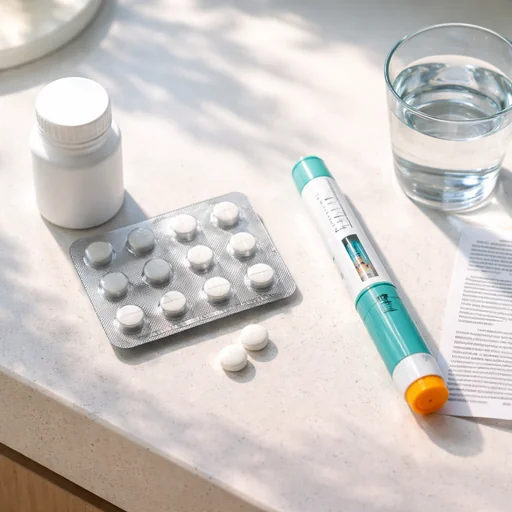
For some people, cravings make cutting back genuinely hard, and that is not a willpower problem. Medication can help. Naltrexone is an FDA-approved option that gently reduces the reward and cravings tied to alcohol.
It is not a hair treatment. By helping you drink less, it lets your nutrition and stress recover, which is what your follicles actually need. A clinician can tell you whether it fits your situation.
When to Talk to a Doctor
Most shedding tied to drinking settles on its own once the cause is addressed, but some situations deserve a professional look.
See a clinician if your hair loss is sudden and severe, comes with a scaly or painful scalp, or includes loss of eyebrows or body hair. Those can point to causes beyond nutrition that need testing.
It is also worth a visit if shedding does not improve after a few months of better nutrition and less drinking. A simple blood panel can check iron, zinc, vitamin D, and thyroid function to find a fixable cause.
And if you have realized your drinking is heavier than you would like, a clinician can help with that part directly. Reaching out is a sign of good judgment, and you do not need a dramatic story to qualify for support.
The Bottom Line
Alcohol does not directly cause hair loss, but heavy drinking can trigger temporary shedding through nutrient malabsorption, stress, hormonal shifts, and dehydration. The follicles are starved, not destroyed.
That is why this kind of hair loss is usually reversible. Cut back, rebuild your nutrition, and most people see shedding slow and regrowth return over the following months.
If alcohol feels harder to cut back on than you would like, that is common, and there is real help. You do not need a label or a rock-bottom moment to deserve support.
Frequently Asked Questions
Does alcohol cause hair loss?
Not directly. Heavy drinking can trigger shedding by lowering nutrient absorption, raising stress, and dehydrating the body, but it does not damage follicles the way genetic hair loss does.
Will my hair grow back if I stop drinking?
Usually yes. Because the follicles are dormant rather than dead, hair tends to regrow once nutrition and stress improve. Expect several months, since hair grows slowly.
How long after quitting alcohol does hair regrow?
Shedding often slows within a couple of months, and visible regrowth typically follows over three to six months. Hair grows about half an inch a month, so patience is part of the process.
Which nutrient deficiencies from alcohol affect hair most?
Zinc, iron, B vitamins, and protein are the big ones. Heavy drinking lowers absorption of these, and each plays a direct role in keeping hair follicles healthy and growing.
Can drinking in moderation cause hair loss?
Occasional, moderate drinking is unlikely to cause meaningful hair loss in a well-nourished person. The shedding shows up mostly with heavy or chronic drinking that disrupts nutrition and stress.
If you want help drinking less so your hair and health can recover, you can take an online Alcohol Use Assessment with Choose Your Horizon to see whether naltrexone could be a good fit for you. Start your assessment here.