A 2 minute assessment to get a personalized mental health or alcohol recovery plan.

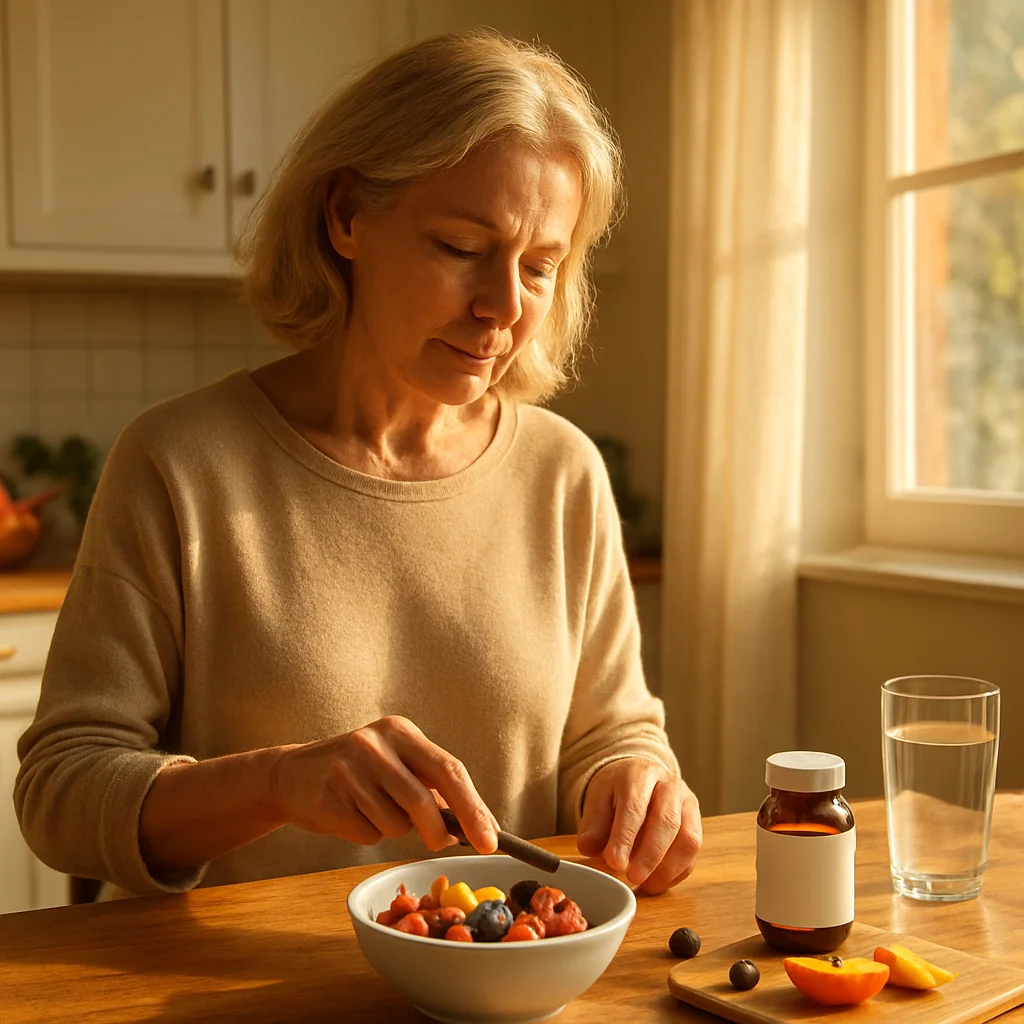
Weight gain is not a known effect of oral naltrexone. If anything, some people lose a little, and the real story has more to do with alcohol's empty calories than the pill.
What You'll Discover:
• Whether weight gain is actually a side effect of oral naltrexone.
• What naltrexone does to appetite and reward.
• Why some people lose a little weight after starting it.
• How alcohol's empty calories factor into the whole picture.
• What really drives weight changes when you cut back on drinking.
• Simple ways to keep your weight steady on naltrexone.
The short answer is no. Weight gain is not a common or well-documented effect of oral naltrexone, the 50mg tablet used to help people drink less or quit. If anything, some people notice a small drop in weight after they start it.
The worry makes sense. Plenty of prescription medications do cause weight gain, so it is fair to ask before you start something new.
With naltrexone for alcohol, the evidence points the other way, and the reasons are genuinely reassuring once you see them.
So let us walk through what naltrexone actually does, what the research shows about appetite and weight, and what really moves the number on the scale when someone changes their drinking.
Is Weight Gain a Known Side Effect of Oral Naltrexone?
No. When you look at the clinical profile of oral naltrexone, weight gain simply does not appear as a common adverse effect.
The StatPearls reference on naltrexone lists the medication's typical side effects, and weight gain is not among them.
The side effects that do show up are mostly mild and tend to fade with time. Nausea is the one people mention most often. A bit of headache, dizziness, or trouble sleeping in the first week or two rounds out the usual list.
Here is the detail that flips the worry on its head.
A record-based review of side effects at a large addiction treatment center found that decreased appetite was the most common complaint reported with naltrexone, not increased appetite.
That is the opposite of what you would expect from a drug that causes weight gain. So if the fear is that naltrexone will pile on pounds, the documented evidence just does not back it up.
What Naltrexone Actually Does to Appetite and Reward
To see why, it helps to understand how the medication works. Naltrexone is an opioid antagonist, which means it blocks certain opioid receptors in the brain that are tied to reward and pleasure.
Those same receptors play a part in appetite, specifically the urge to eat for pleasure rather than out of real hunger. By blocking the endorphin signal, naltrexone can gently turn down the drive to seek out rewarding food.
That is part of why some people report eating a little less. It is worth being clear that this is not a dramatic effect at the standard dose. It is a small nudge toward less reward-driven snacking, not an appetite shutdown.
The point is simply the direction of travel. The mechanism leans toward eating slightly less, not more. None of this makes naltrexone a weight-loss drug for alcohol use.
It is prescribed to cut cravings and drinking, and any minor appetite effect is a side note rather than the goal.
Why Some People Lose a Little Weight on Naltrexone
When people do notice a weight change on naltrexone, it usually trends downward, and there are two simple reasons behind it.
The first is the mild appetite effect we just covered. Eating a little less, even without consciously trying, can nudge weight down slowly over time.
The second reason is far bigger, and it has nothing to do with the pill itself. People take naltrexone in order to drink less, and cutting alcohol removes a large source of calories from the daily total.
That second factor matters much more than the first for most people. It is also the part that gets overlooked, so it is worth a proper look.
The Bigger Driver: Alcohol's Empty Calories
Alcohol is more calorie dense than most people realize. Each gram of pure alcohol carries about seven calories, nearly as much as fat, and it brings essentially no useful nutrition along with it.
That is why they get called empty calories. They count toward your daily intake, but they do nothing good for your body in return.
The numbers stack up quickly. The NIAAA notes that a typical beer runs around 150 calories, and a mixed drink can match or beat that, so a few drinks easily add several hundred calories to a day.
You can run the math on your own usual drinks with the NIAAA alcohol calorie calculator.
There is a sneakier effect on top of the calories.
When your body is busy processing alcohol, it burns the alcohol first, which means fat oxidation gets suppressed while the drink is being dealt with.
In plain terms, drinking can make your body hold onto fat it would otherwise burn. We dig into that mechanism in our article on how alcohol stops fat burning.
So alcohol does double duty. It adds calories and slows fat burning at the same time. When naltrexone helps you drink less, you usually cut those calories and lift that brake at once.
For a lot of people, that is exactly why weight holds steady or drifts down rather than up.
Consider a simple example. If someone has three drinks a night, that can be roughly 400 to 500 calories a day, which lands somewhere around 3,000 to 3,500 calories across a week.
Cutting most of that is the rough equivalent of a full day's worth of eating removed every week.
You do not have to count anything for this to work. The point is that drinking less quietly subtracts a real amount of intake, and that subtraction is doing the heavy lifting, not the medication.
What Really Changes Weight When You Cut Drinking
The link between drinking and weight is not perfectly tidy, and being honest about that is more useful than overselling it. Research on alcohol and body weight shows the effect is dose dependent and varies from person to person.
Heavy drinking is more consistently tied to weight gain, while the effect of lighter drinking is murkier in the data.
What is clear is that the calories in alcohol are real, and that dropping a heavy drinking habit removes a meaningful slice of daily intake.
Here is a quick look at how the pieces tend to push on the scale once you start naltrexone and cut back on drinking.
What actually moves your weight after you cut back tends to come down to a handful of behavioral factors:
• Whether you replace alcohol calories with food, especially sugary or high-calorie snacks.
• Whether late-night drinking used to drive extra eating that now stops.
• Whether better sleep and energy lead to more daytime movement.
• How your appetite settles once your body is not processing alcohol regularly.
None of those are caused by naltrexone. They are downstream of changing your drinking, and they are largely within your control once you know to watch for them.
It is also worth knowing that the body's relationship with alcohol and weight is genuinely individual. Two people can cut the same number of drinks and see different results based on their starting point, their eating, and how active they are.
That is not a reason to worry. It is a reason to focus on the things you can steer, like what fills the space the drinking used to take, rather than fixating on the medication as the cause of any change.
When Weight Goes Up After Quitting, and Why It Is Usually Not the Pill
Some people do gain a little weight after they stop drinking. It is worth naming why, so the medication does not take the blame unfairly.
The most common reason is substitution. When the reward of alcohol disappears, some people reach for sugar or comfort food to fill the gap. The calories simply move from the glass to the plate.
There can also be a real appetite rebound, especially in people who were drinking heavily. Heavy drinking is often tied to poor nutrition and weight loss during active dependence, so as the body recovers, appetite can return.
We cover this fully in our piece on weight gain after quitting alcohol.
The key point holds throughout: this is about the change in drinking and eating habits, not the naltrexone.
The pill is not adding calories or telling your body to store fat. If anything, its mild appetite effect works against weight gain rather than for it.
How to Support Steady Weight While on Naltrexone
If you want to hold your weight steady or keep it trending down as you cut drinking, the approach is simple and has nothing to do with fighting the medication.
Stay aware of what replaces the alcohol. Swapping nightly drinks for nightly desserts just moves the calories around. Reaching for sparkling water, tea, or a lighter snack keeps the calorie cut you earned by drinking less.
Lean on the advantages that come with drinking less, too. Better sleep, steadier energy, and clearer mornings all make it easier to move more and eat with intention. Those gains build on each other over the weeks.
If you are not sure whether your concern is really naltrexone or something else, our overview of naltrexone side effects lays out what the medication does and does not commonly cause.
This article is here to explain the science in plain terms, not to replace advice from your own clinician. If you have a specific medical condition or take other medications, talk it through with your prescriber.
Why People Mix Up Naltrexone and Weight Loss
A lot of the confusion online comes from the fact that naltrexone shows up in two very different conversations. One is alcohol care, which is what this article is about.
The other is weight management, where naltrexone appears as part of specific combination products at different doses.
When you search the medication on its own, those threads get tangled together.
Someone reading about the weight-management use might assume the alcohol version works the same way, or they might worry the reverse, that the alcohol version somehow drives weight up. Neither assumption holds.
The oral 50mg tablet used for alcohol use disorder is its own thing. It is dosed and prescribed to reduce cravings and drinking, full stop. Any effect on appetite is mild and incidental, and it leans toward eating slightly less.
We unpack the alcohol side of this more in our article on weight loss with naltrexone.
The short version is that the medication is not a weight-gain pill and not a magic weight-loss pill either. It treats your drinking, and your weight mostly follows from how your habits change around alcohol.
So if you came in worried that the alcohol version of naltrexone behaves like a weight-gaining medication, you can set that fear down. The evidence and the mechanism both point the other way.
What to Expect in Your First Few Months
It helps to have a realistic picture of how things tend to unfold, so a small shift here or there does not get misread.
In the first few weeks, your body is adjusting to the medication. If you notice any decreased appetite, that is the most commonly reported effect, and it is mild for most people. Taking your dose with food can ease early nausea if it shows up.
As the weeks pass and your drinking comes down, the calorie picture starts to shift in your favor. Fewer drinks means fewer empty calories, and your body is no longer putting fat burning on hold to process alcohol.
For many people this is when weight quietly starts to settle or drop.
The wildcard is always behavior. If alcohol calories get replaced by snacks, the scale may not move much. If they get replaced with water or lighter choices, the cut tends to show.
This is the single biggest lever, and it sits entirely with you, not the pill.
Over a few months, the benefits of drinking less compound. Better sleep, more energy, and steadier mornings make it easier to stay active and eat with intention.
That is the version of progress that holds, because it is built on habits rather than a quick fix.
Does the Dose or Timing Change Anything?
People sometimes wonder if a higher dose or a particular schedule would tip naltrexone toward weight gain. It does not work that way.
The standard daily tablet is 50mg, and the medication's effect on appetite is mild regardless of whether you take it in the morning or at night. There is no version of the oral schedule that turns it into a weight-gain medication.
What changes your results is not the timing of the pill. It is how much your drinking comes down and what you do with the space that opens up. Keep the focus there, and the dosing details take care of themselves.
The Bottom Line
Naltrexone does not cause weight gain. It is not a known effect of the oral 50mg tablet, and the appetite effect people sometimes notice trends toward eating a little less, not more.
When weight changes after starting naltrexone, the real story is almost always about alcohol. Cutting drinking removes empty calories and lifts the brake alcohol puts on fat burning, which is why many people see weight hold steady or drift down.
If weight does go up, it usually comes down to what replaces the drinking, not the pill. That is good news, because it means the levers are firmly in your hands.
Frequently Asked Questions
Does naltrexone make you gain weight?
No. Weight gain is not a documented effect of the oral 50mg tablet. The appetite effect people sometimes notice leans toward eating slightly less.
Can naltrexone cause weight loss?
Some people lose a little weight. It comes mostly from drinking less and a mild dip in reward-driven eating, not from the pill burning fat.
Why am I gaining weight after quitting drinking on naltrexone?
This is usually about habits, not the medication. Many people swap alcohol for sugary snacks, and appetite can rebound as the body recovers.
Does naltrexone affect your appetite?
It can slightly reduce the urge to eat for pleasure. In one review, decreased appetite was the most commonly reported effect, not increased appetite.
Will naltrexone change my metabolism?
There is no evidence it raises or lowers your metabolism. What shifts is the calorie load from alcohol, since drinking less removes empty calories.
If you want to know whether naltrexone could be a fit for your goals, take the online Alcohol Use Assessment to see if Choose Your Horizon's naltrexone program makes sense for you.