A 2 minute assessment to get a personalized mental health or alcohol recovery plan.

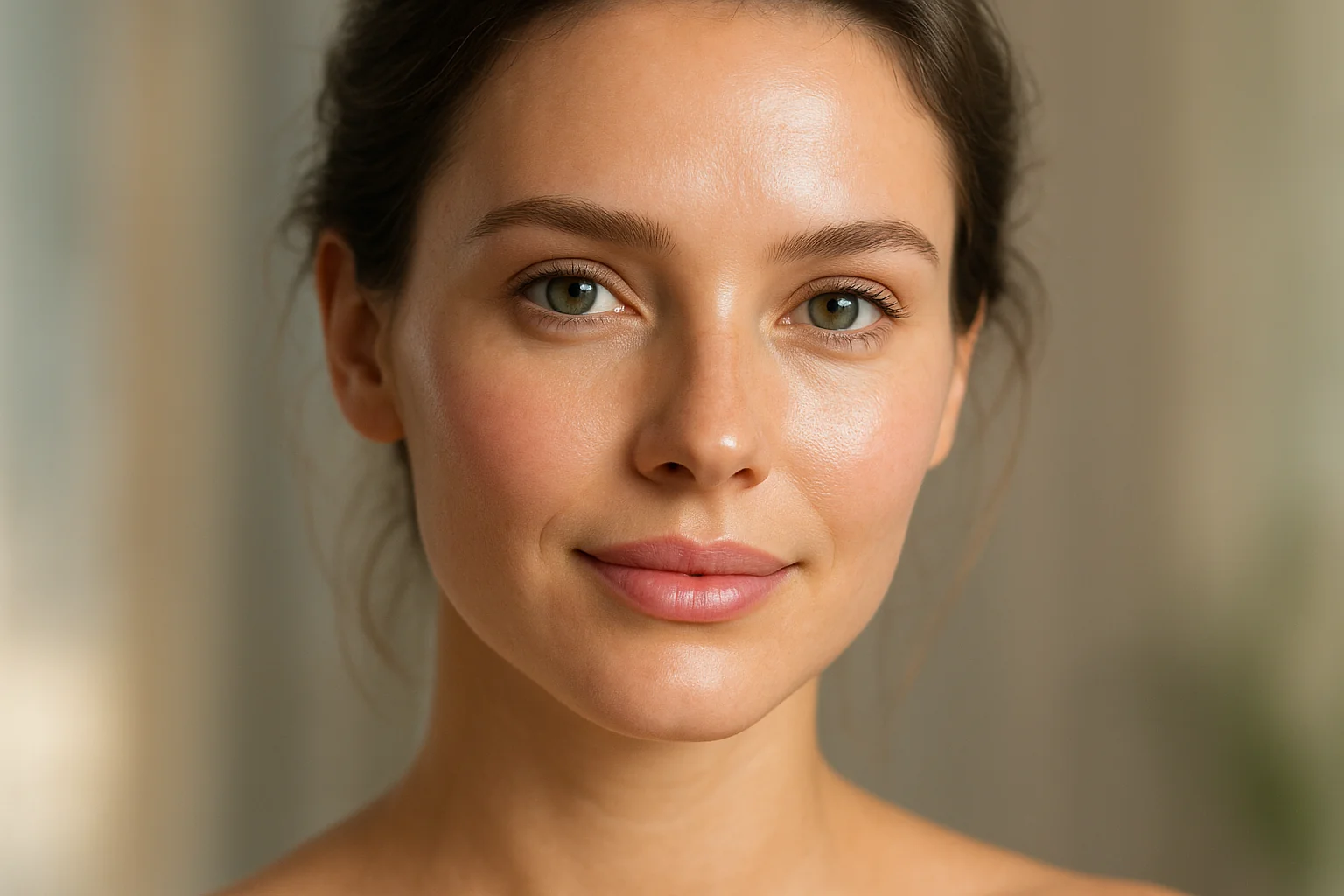
Alcohol visibly affects your face. Here's what changes when you stop drinking, from reduced puffiness to clearer skin, and when you can expect to see results.
What You'll Learn:
• Why alcohol causes facial bloating and puffiness.
• How your skin improves after stopping drinking.
• What happens to redness and complexion.
• Timeline for visible facial changes.
• How to support facial recovery.
Your face often shows the effects of alcohol before anything else. The puffiness, redness, and tired look that comes with regular drinking can make you look older and less healthy than you are. The good news: these effects reverse when you stop.
Why Alcohol Affects Your Face
Understanding why your face shows alcohol's effects helps explain the recovery process. According to the National Institute on Alcohol Abuse and Alcoholism, alcohol affects virtually every organ system in the body, and the skin is no exception.
Dehydration and Fluid Retention
Alcohol is a diuretic that causes overall dehydration. Paradoxically, this triggers the body to retain water, especially in the face. The result is that puffy, bloated look after drinking.
Inflammation
Alcohol triggers inflammatory responses throughout the body. Facial tissue shows this as swelling, puffiness, and a generally inflamed appearance.
Blood Vessel Dilation
Alcohol dilates blood vessels, causing the flushed, red appearance many people experience while drinking. According to the American Academy of Dermatology, alcohol is a common trigger for rosacea and facial flushing. Chronic drinking can make this redness persistent.
Poor Sleep Quality
Alcohol disrupts sleep, leading to dark circles, tired eyes, and dull skin. Research published in Alcoholism: Clinical and Experimental Research shows that alcohol reduces REM sleep and causes fragmented sleep patterns. Even when you get hours of sleep, the quality is compromised.
Nutrient Depletion
Alcohol interferes with vitamin absorption, particularly B vitamins and vitamin C, which are essential for skin health and collagen production.
Facial Changes to Expect
Several improvements occur when you stop drinking.
Reduced Puffiness
One of the first and most noticeable changes is reduced facial bloating. The eye area becomes less swollen, the jawline becomes more defined, cheeks look less rounded, and the overall face appears slimmer. Many people notice reduced puffiness within just a few days. By seven days without alcohol, the difference is often obvious.
Improved Skin Hydration
Without alcohol's dehydrating effects, skin retains moisture better and complexion appears more plump. Fine lines become less pronounced and skin texture improves. Significant hydration improvements typically appear within 2-4 weeks.
Reduced Redness
Alcohol can trigger or worsen rosacea and general facial redness. After stopping, flushing episodes decrease, background redness fades, skin tone becomes more even, and blotchiness reduces. Redness improvements often begin within 1-2 weeks and continue over the following month.
Brighter Eyes
Alcohol causes bloodshot, dull-looking eyes. The whites become clearer, redness decreases, you have a more alert appearance, and dark circles reduce. Eye improvements are often visible within the first week.
Better Complexion
Overall skin quality improves. Natural glow returns, skin looks healthier, pores may appear smaller, and overall complexion brightens. These changes accumulate over weeks and months.
Fewer Breakouts
For some people, alcohol triggers acne or skin breakouts. After stopping, fewer new breakouts occur, existing blemishes heal faster, skin becomes clearer, and oil production may normalize.
Timeline of Facial Changes
Here's what to expect at each stage.
Days 1-3
Early changes begin with initial reduction in puffiness, hydration beginning to improve, and redness starting to fade.
Days 4-7
By the end of your first week without alcohol, you'll notice more significant reduction in facial bloating, eyes appearing brighter, an overall face that looks less tired, and others may notice you look "refreshed."
Weeks 2-3
Improvements accelerate with skin tone becoming more even, hydration substantially improved, redness significantly reduced, and visible complexion brightening.
Month 1
Significant transformation occurs with major puffiness gone, skin quality notably better, facial features more defined, and an overall healthier appearance. By three weeks without alcohol, most people see substantial facial improvement.
Months 2-3
Full benefits emerge with maximum skin quality improvement, complete hydration restoration, any alcohol-related skin conditions improved, and years younger appearance for many people.
6+ Months
Long-term benefits stabilize with aging from alcohol use reversing to the extent possible, skin health reaching a new baseline, and risk of further alcohol-related skin damage eliminated.
What Affects Your Results
Several factors influence how dramatic your facial transformation will be.
Previous drinking level matters significantly—heavier drinkers typically see more dramatic improvements since there's more damage to reverse. Age plays a role as younger skin recovers more quickly and completely, though people of all ages see improvement. Baseline skin health, genetics, and skincare habits affect results. Supporting recovery with adequate water and nutrition enhances results. Prioritizing sleep during recovery accelerates all facial improvements. Protecting skin from sun damage allows recovery to proceed optimally.
Supporting Facial Recovery
Several strategies can enhance and accelerate facial improvements.
Hydrate adequately by drinking plenty of water throughout the day, as proper hydration supports skin from the inside. Sleep well, as quality sleep allows skin repair. During your first week, sleep quality begins improving. Prioritize 7-9 hours nightly.
Eat for skin health by focusing on nutrients that support skin: vitamin C from citrus, berries, and peppers; vitamin E from nuts, seeds, and avocados; omega-3 fatty acids from fish, walnuts, and flaxseed; and protein for collagen production.
Support recovery with basic skincare including gentle cleansing, daily moisturizer, sunscreen (critical for healing skin), and hydrating products if desired. Let your skin heal naturally by avoiding aggressive exfoliation or treatments during early recovery.
Realistic Expectations
While facial improvements are real and often dramatic, keep expectations realistic.
Some changes may be permanent. If alcohol has caused permanent blood vessel damage or deep lines, these may not fully reverse. However, improvement is still likely. Improvements take time, and while some changes appear quickly, others take months. Be patient with the process. Not everyone sees the same results, as genetics, age, and other factors affect outcomes. Diet, sleep, stress, and overall health all affect facial appearance. Addressing these alongside sobriety enhances results.
Before and After: What People Report
Common observations from people who quit drinking include comments like "People keep asking if I lost weight or changed my hair," "My face looks like it belongs to someone 5-10 years younger," "The puffiness I thought was just my face shape was actually alcohol," "My skin has a glow I haven't seen in years," "I finally look rested even when I'm tired," and "My eyes are so much brighter."
These experiences are common and reflect the real physical changes that occur.
The Bigger Picture
Facial changes are part of broader physical changes when you stop drinking. Other improvements include belly fat loss, better skin quality, improved energy, enhanced sleep, and clearer thinking.
Your face is often where improvements show first and most dramatically, but the benefits extend throughout your body.
Maintaining Your Results
Facial improvements depend on continued sobriety. Returning to drinking reverses gains, often within days as bloating and redness return.
If staying stopped is challenging, support is available. Naltrexone can help by reducing cravings, making it easier to maintain the improvements you've achieved.
Summary
Your face changes significantly when you stop drinking. Puffiness and bloating reduce within days. Skin hydration improves over 2-4 weeks. Redness and flushing fade over 1-4 weeks. Eye brightness improves within the first week. Overall complexion continues improving for months.
The timeline progresses from days 1-7 with initial puffiness reduction and brighter eyes, to weeks 2-3 with even skin tone and better hydration, to month 1 with significant visible transformation, to months 2-3 with maximum improvement.
The face often shows both the damage from drinking and the recovery from stopping more visibly than any other part of the body.
Ready to see what your face looks like without alcohol? Take an Alcohol Use Assessment to explore your options.