A 2 minute assessment to get a personalized mental health or alcohol recovery plan.

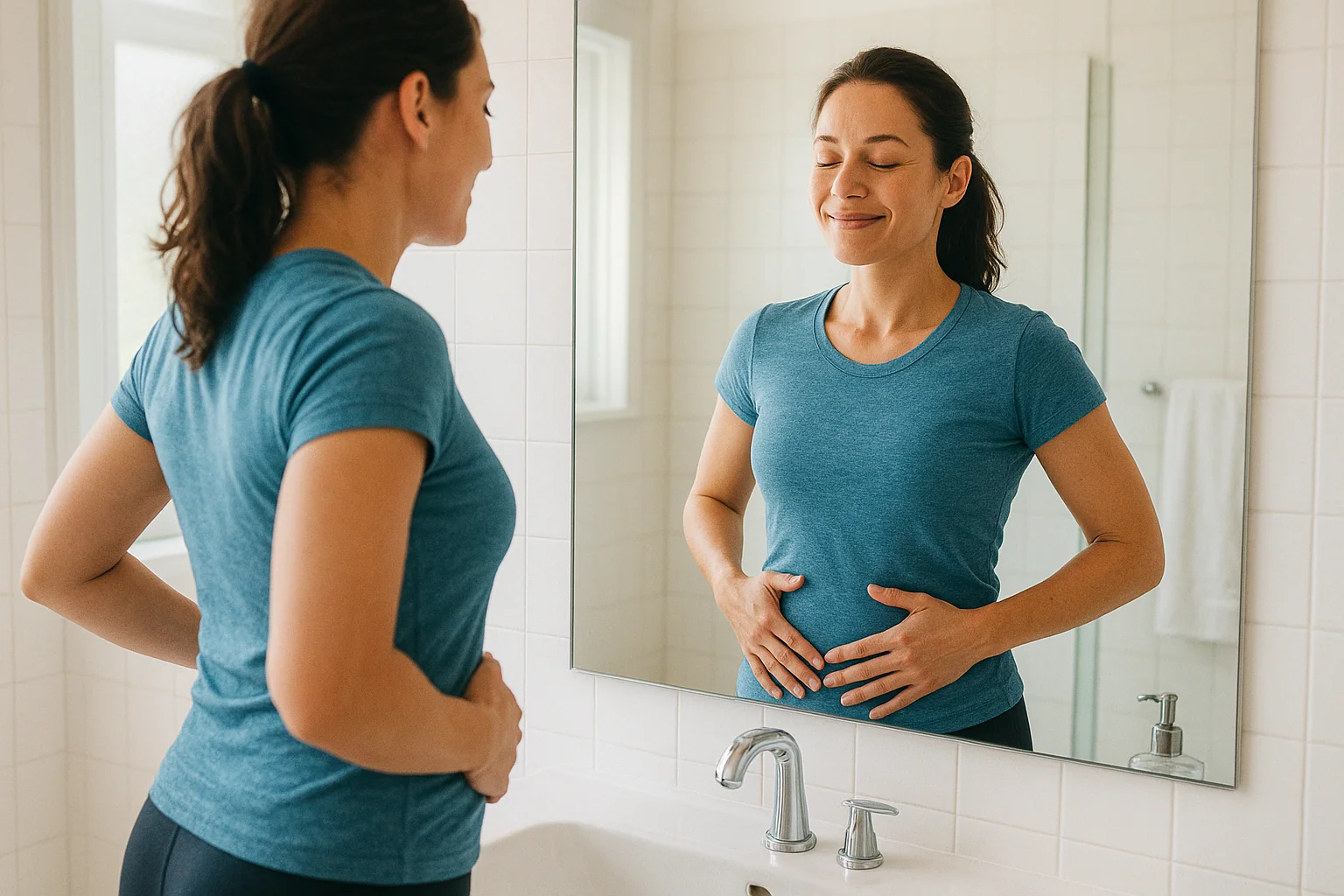
The "beer belly" is real. Here's why alcohol causes abdominal fat, what happens when you stop drinking, and how quickly you can expect to see changes.
What You'll Learn:
• Why alcohol specifically causes belly fat accumulation.
• How many calories alcohol adds to your diet.
• What happens to abdominal fat when you stop drinking.
• How quickly you can expect to see changes.
• What helps maximize fat loss after quitting.
The short answer: yes, most people do lose belly fat when they stop drinking alcohol. But understanding why this happens and what to expect helps set realistic expectations and maximize results.
Why Alcohol Causes Belly Fat
Alcohol contributes to abdominal fat through several interconnected mechanisms.
Alcohol contains 7 calories per gram, nearly as much as fat at 9 calories per gram. These calories provide no nutritional value whatsoever. A typical drinking session adds significant calories without you realizing it. A glass of wine contains about 125 calories, a beer about 150, a cocktail anywhere from 200 to 400 calories, and a bottle of wine over 600 calories. Someone having three or four drinks, three or four times per week adds 1,500 to 4,000 calories weekly—enough to gain a pound of fat every one to three weeks.
When you drink, your body prioritizes processing alcohol over everything else. According to research on alcohol metabolism, fat burning essentially pauses while your body deals with alcohol. This means any food eaten while drinking or shortly after is more likely to be stored as fat rather than burned for energy.
Alcohol affects hormones that regulate fat storage and distribution. According to the National Institute on Alcohol Abuse and Alcoholism, alcohol increases cortisol, which promotes abdominal fat deposition specifically. The "beer belly" isn't just from beer—it's where the body preferentially stores fat when alcohol is involved.
Alcohol also lowers inhibitions around food. Late-night pizza, fast food runs, and snacking while drinking add hundreds or thousands of additional calories. These calories, combined with reduced fat burning, compound the weight gain effect.
Your liver handles fat metabolism, but when it's busy processing alcohol, this function suffers. The American Liver Foundation notes that chronic alcohol use causes fat to accumulate in the liver, which then impairs its metabolic functions. Fat accumulates both in the liver itself and around the abdomen.
What Happens When You Stop Drinking
Several changes occur that promote belly fat loss when you eliminate alcohol.
Eliminating alcohol creates an immediate calorie deficit. If you were consuming 1,000 or more calories weekly from alcohol, those calories simply disappear without any other dietary changes. Without alcohol to process, your body returns to normal metabolic function, and fat can be burned efficiently again, including stored abdominal fat.
Cortisol levels stabilize without alcohol's constant disruption. This reduces the hormonal drive to store fat in the abdomen. Without impaired judgment, food decisions improve, and the late-night binges and drunk snacking stop.
Quality sleep regulates hunger hormones. Research published in Alcoholism: Clinical and Experimental Research confirms that alcohol severely disrupts sleep architecture. During your first week without alcohol, sleep improves, which supports weight management. Increased energy from better sleep and no hangovers enables more physical activity, further enhancing fat loss.
How Quickly Will You Lose Belly Fat?
Timeline varies by individual, but here's what most people experience.
During weeks one and two, the first weight you lose is water. Alcohol causes bloating and fluid retention. As this resolves, scale weight drops noticeably—three to seven pounds for some people—bloating around the midsection decreases, clothes fit more comfortably, and your face looks less puffy. This isn't fat loss yet, but it's a visible and motivating start.
During weeks three and four, true fat loss requires a calorie deficit over time. By this point, actual fat burning is occurring, abdominal measurement may decrease, body composition begins shifting, and pants fit looser around the waist.
During months one through three, with consistent alcohol-free living, significant fat loss occurs for moderate to heavy drinkers. Visible reduction in belly size becomes apparent, others notice the changes, and body proportions improve. People who drank heavily often lose 10 to 15 pounds in this period without other dietary changes.
During months three through six, continued sobriety compounds results. The beer belly becomes significantly reduced or eliminated, body composition substantially improves, weight stabilizes at a healthier level, and the full benefits of metabolic normalization become apparent.
Factors That Affect Results
Several variables influence how much belly fat you'll lose and how quickly.
Previous drinking level matters significantly. Heavier drinkers typically see more dramatic weight loss since they're eliminating more calories and reversing more metabolic disruption. Diet quality also plays a crucial role. If you replace alcohol calories with other high-calorie foods, weight loss will be limited. Maintaining overall calorie control maximizes results.
Physical activity accelerates fat loss and improves body composition. The increased energy from sobriety makes exercise more accessible. Age and metabolism influence results as well—younger people with faster metabolisms may see quicker results, though people of all ages lose weight when they stop drinking.
Sleep quality directly affects weight loss, so prioritizing sleep during recovery enhances fat burning. Stress levels matter because high stress increases cortisol, promoting belly fat storage. Managing stress supports weight loss goals.
What About Moderate Drinking?
Some people wonder if cutting back rather than stopping completely would produce results.
Reducing consumption does help, but elimination produces better results. Complete calorie elimination versus partial reduction makes a significant difference. Full metabolic normalization occurs only with complete abstinence. No impaired eating decisions means consistently better food choices. Better sleep and energy occur consistently rather than intermittently.
That said, any reduction in drinking supports fat loss compared to previous levels.
Maximizing Belly Fat Loss
Several strategies enhance results after quitting alcohol.
Avoid compensating for eliminated alcohol with extra food. Let the natural calorie deficit work. Adequate water intake supports metabolism and helps distinguish hunger from thirst. Protein supports muscle maintenance during weight loss and keeps you feeling satisfied.
Aim for seven to nine hours of sleep nightly. Sleep quality directly affects weight regulation hormones. Even moderate activity like walking helps, and the energy from sobriety makes movement easier. Be patient, as sustainable fat loss happens at one to two pounds per week. Faster loss often includes muscle, which you want to preserve.
The Bigger Picture
Belly fat loss is one of many physical changes when you stop drinking. Other improvements include facial changes like reduced puffiness, better skin quality, improved energy, enhanced sleep, and clearer thinking. These changes work together to create an overall transformation that goes beyond just weight.
When Results Feel Slow
If belly fat loss seems slower than expected, consider several factors.
Diet, sleep, and stress all affect weight. Addressing these alongside sobriety enhances results. The scale doesn't capture body composition changes—you might be losing fat while gaining muscle, keeping scale weight stable but improving body shape.
Be realistic about timeline. Fat loss takes time. Belly fat is often the last to go and first to return. Patience produces lasting results. Even when visible changes are gradual, internal health improvements are occurring. Liver function, blood pressure, and inflammation all improve whether or not the scale moves quickly.
Staying on Track
The belly fat loss benefits depend on continued sobriety. Returning to drinking reverses gains, often quickly.
If staying stopped proves difficult, naltrexone can help by reducing cravings and blocking some of alcohol's rewarding effects. This makes maintaining your progress more sustainable.
Summary
Yes, most people lose belly fat when they stop drinking alcohol. This happens because alcohol calories are eliminated (often 1,000 or more weekly), normal fat-burning metabolism resumes, hormones that promote abdominal fat storage normalize, food choices improve without impairment, and energy for activity increases.
The timeline progresses from weeks one and two when water weight drops and bloating reduces, to weeks three and four when actual fat loss begins, to months one through three when visible changes in belly size appear, to months three through six when significant transformation occurs.
The beer belly is reversible. It just requires giving your body the chance to heal.
If you're ready to see what your body looks like without alcohol, take an Alcohol Use Assessment to explore support options.