A 2 minute assessment to get a personalized mental health or alcohol recovery plan.

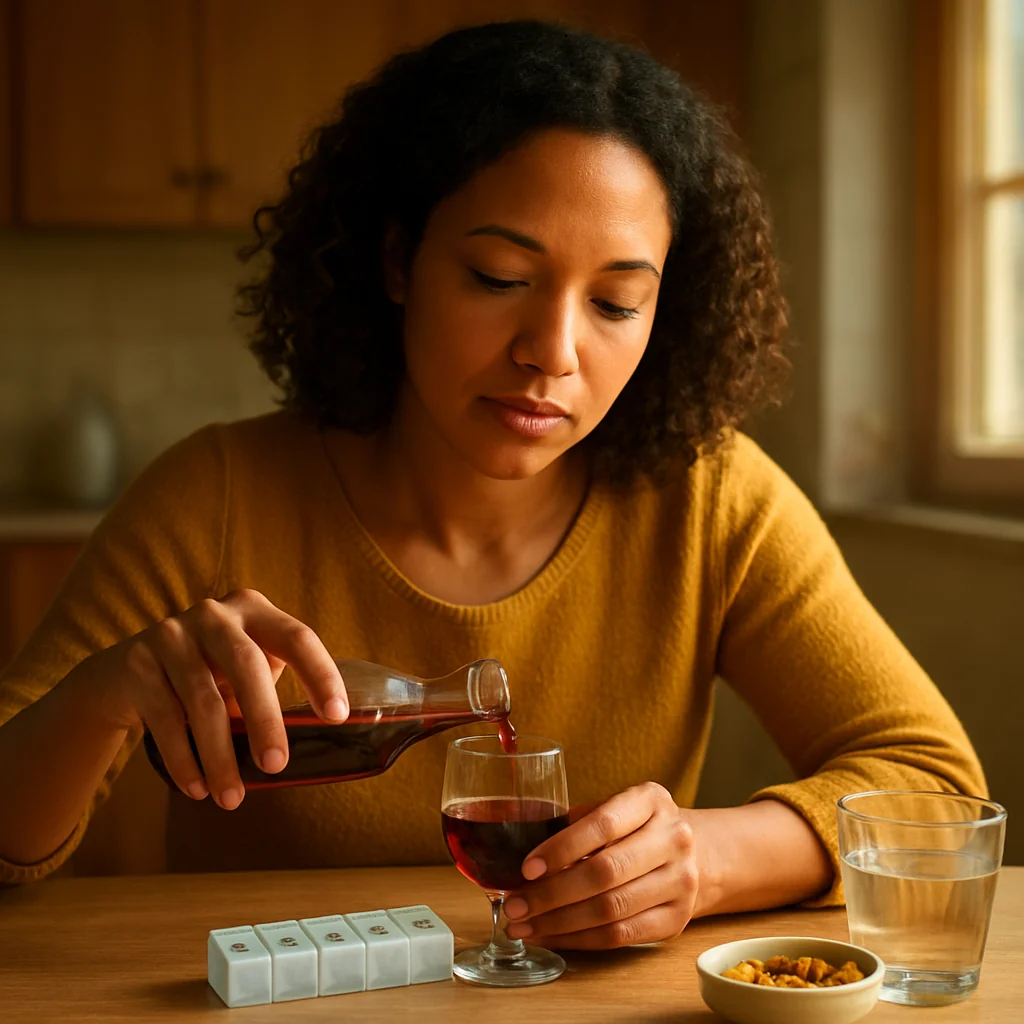
Mounjaro does not ban alcohol outright, but drinking stacks onto how the medication already works on your blood sugar and your stomach, so it pays to know what you are mixing.
What You'll Discover:
• Whether it is safe to drink alcohol while taking Mounjaro.
• How alcohol and Mounjaro both pull your blood sugar in unpredictable directions.
• Why a few drinks hit harder once you are on tirzepatide.
• What the early research actually says about Mounjaro and alcohol cravings.
• Why naltrexone, not Mounjaro, is the established medication for drinking.
• Practical habits that lower your risk if you do choose to drink.
Mounjaro is the brand name for tirzepatide, a once-weekly injection approved for type 2 diabetes. A lot of people on it want one straight answer about alcohol, and here it is.
There is no formal rule against having a drink on Mounjaro. The catch is that alcohol can stack badly with how the medication already works on your body.
Both Mounjaro and alcohol push on your blood sugar and your gut. That overlap, not some dramatic drug interaction, is the real story.
So let us walk through what actually happens when you mix them. We will also cover the cravings buzz and where an alcohol-specific tool like naltrexone fits in.
Can You Drink Alcohol While Taking Mounjaro?
There is no listed interaction that makes alcohol strictly off-limits with Mounjaro. The medication and a drink are not chemically at war the way some prescriptions are with alcohol.
Tirzepatide works as a dual GIP and GLP-1 receptor agonist. In plain terms, it helps your body release insulin when blood sugar climbs and slows how fast your stomach empties.
The tirzepatide drug overview lays out that mechanism in detail. Alcohol does not block the medication or trigger a dangerous reaction in the way some drugs do.
The concern is more practical than a head-on interaction. Because both alcohol and Mounjaro affect blood sugar and the gut, drinking tends to amplify the side effects you would rather avoid.
For an occasional single drink on a stable dose, most people do just fine. The body handles one beer or one glass of wine without much drama.
The trouble shows up with heavier drinking, drinking on an empty stomach, or drinking close to your injection day. That is when side effects peak and a few drinks can catch you off guard.
It also matters where you are in your dose schedule. People often titrate up to higher doses of Mounjaro over months, and the higher the dose, the stronger the gut effects tend to be.
That ramp-up period is also when your body is still adjusting. Drinking during the first weeks of a new dose tends to be rougher than later on.
How Alcohol and Mounjaro Both Push on Your Blood Sugar
Before the details, here is how alcohol stacks onto the main areas Mounjaro already works on.
Mounjaro is built to lower blood sugar. Alcohol can lower it too, and that overlap is where things get unpredictable, especially for anyone managing diabetes.
When you drink, your liver shifts its attention to clearing the alcohol. While it is busy doing that, it temporarily stops releasing stored glucose into your blood.
That stored glucose is your body's normal backup supply. With the backup paused, blood sugar can drift downward, sometimes several hours after your last drink.
Research on people with diabetes backs this up. The review on the consequences of alcohol use in people with diabetes notes that alcohol suppresses the liver's glucose production.
That glucose production is one of your key defenses against a low. Take it away and the safety net thins out right when you need it.
Now layer that on top of a medication that is actively lowering your glucose. A low can sneak up on you, and the timing can be deceptive.
The early signs of a low, like shakiness, sweating, and confusion, are easy to mistake for simply being tipsy. That is what makes alcohol-related lows on a glucose-lowering drug worth respecting.
Sugary mixed drinks add the opposite swing. A cocktail loaded with juice or soda can spike blood sugar first and then drop it later, once the alcohol effect takes over.
Those swings are exactly what you take Mounjaro to smooth out. Adding alcohol can undo some of the steadiness the medication is meant to give you.
So if you drink while on Mounjaro, a few basics help. Eat something with the alcohol, keep it moderate, and check your blood sugar more often than usual.
We go deeper into this overlap in our guide on whether you can drink alcohol on a GLP-1. It covers the same blood sugar logic for the wider drug class.
Why Alcohol Makes Mounjaro's Stomach Side Effects Worse
The most common Mounjaro side effects are gut-related. Think nausea, vomiting, diarrhea, and a queasy, overly full feeling that lingers.
A meta-analysis of tirzepatide's gastrointestinal effects found that nausea and vomiting rates climb with higher doses. The effect is real and it scales with how much medication you are on.
Part of the reason is that tirzepatide slows gastric emptying. Food and liquid sit in your stomach longer than they normally would.
That slowdown is great for feeling full and eating less. It is less great when you add a substance that already irritates the stomach lining.
Alcohol is a known gut irritant. On its own it can cause nausea, reflux, and general stomach upset, even in people on no medication at all.
Now put it together with a drug that is already slowing digestion and leaving your stomach fuller. A few drinks can hit much harder than they used to.
Plenty of people on Mounjaro notice that alcohol just does not sit right anymore. Drinks that once felt fine now bring on nausea or a heavy, sick feeling faster.
That is not a coincidence or your imagination. It is the two effects compounding, one slowing your gut and the other irritating it.
Dehydration is the other piece worth flagging. Vomiting or diarrhea from the combination can leave you low on fluids, which makes you feel worse.
Over time, repeated dehydration can also strain your kidneys. Drinking water alongside any alcohol helps, but it does not erase the underlying overlap.
Does Mounjaro Reduce Alcohol Cravings? What the Research Says
This is the part getting a lot of attention right now. A growing number of people on tirzepatide report that they simply want alcohol less.
The science is starting to catch up to the anecdotes. One observational study tracked people with obesity who were taking semaglutide or tirzepatide and their alcohol use.
On these medications, participants reported lower alcohol intake than before. They also reported fewer drinks per occasion and lower odds of binge drinking.
The leading theory ties back to the brain's reward system. GLP-1 based medications appear to dial down the dopamine signaling that makes alcohol feel rewarding.
In animal studies, tirzepatide has reduced voluntary alcohol drinking. That lines up neatly with what people are describing in real life.
Why this matters is simple. Alcohol and food both run through the same reward circuitry, so a drug that quiets food cravings may quiet alcohol cravings too.
That shared wiring is part of why researchers got interested in the first place. It is a promising lead, not a finished answer.
Here is the honest caveat, though. This research is early, and it is important not to oversell it.
The human studies are small and often observational. They are not the kind of large, controlled trials that lead to FDA approval for a new use.
Mounjaro is not approved to treat alcohol use disorder. No one should start it for that reason, and no doctor should prescribe it for that purpose today.
We break the evidence down further in our article on tirzepatide and alcohol cravings. It separates what the studies show from what people are hoping for.
Our piece on whether GLP-1 medications reduce alcohol cravings takes an even wider view across the drug class.
Mounjaro Is Not an Alcohol Medication. Here Is What Is.
If your real goal is to drink less, it helps to know that alcohol already has a dedicated medication. That medication has decades of evidence behind it, and it is naltrexone.
Naltrexone is an opioid antagonist taken as a 50mg tablet. The naltrexone clinical overview explains that the FDA approved it for alcohol dependence back in 1994.
It works by blocking the mu-opioid receptors that release the feel-good rush when you drink. That rush is a big part of what keeps the drinking loop going.
When that rush is muted, the loop that drives craving starts to weaken. Over time, drinking stops delivering the same payoff, so the urge to keep going fades.
People often find they stop after one or two drinks instead of five or six. The drink is still there, but the pull behind it is quieter.
The contrast with Mounjaro is clean. Mounjaro is a diabetes drug where reduced drinking is a possible side effect that science is still studying.
Naltrexone is an alcohol-specific tool with a deep evidence base. That base includes more than 100 clinical trials and tens of thousands of participants.
You do not have to choose between them on a hunch. Our comparison of naltrexone versus GLP-1 medications for alcohol use disorder lays out how the two differ.
It also covers who each approach tends to suit. For someone whose central concern is alcohol, naltrexone is the option with the track record.
How to Drink More Safely (or Less) While on Mounjaro
If you decide to drink while taking Mounjaro, a few habits lower your risk. None of this is medical advice, and your prescriber knows your situation best.
• Never drink on an empty stomach, since food blunts blood sugar swings.
• Keep it moderate, and avoid drinking right around your injection day.
• Skip sugary mixers that cause sharp glucose spikes and later crashes.
• Check your blood sugar more often, including before bed, since lows can come hours later.
• Stay hydrated, and stop if nausea or vomiting sets in.
These steps will not make heavy drinking safe, but they take the sharpest edges off an occasional drink. Pay attention to how your body responds and adjust from there.
If you find you cannot keep it moderate, that is worth noticing rather than pushing past. Struggling to stop at one or two is common, and it is not a character flaw.
Should You Stop Drinking Before or After Your Injection?
A common question is whether the day of your injection changes the alcohol math. For most people, side effects feel strongest in the day or two right after the shot.
That makes the days right after your injection the riskiest time to drink. Nausea and a slowed gut are at their peak, so alcohol is more likely to make you sick.
If you are going to have a drink, many people find it sits better later in the week. That is when the dose has settled and gut effects have eased off.
This is not a hard rule, and everyone responds a little differently. Track how you feel across the week and you will start to see your own pattern.
Will Mounjaro Make You a Lightweight?
A lot of people report feeling drunk faster on Mounjaro, even on their usual amount. There are a couple of reasons that can happen.
Slowed gastric emptying changes how alcohol is absorbed, and many people on these drugs are also eating less. Less food in your system means alcohol hits a more or less empty stomach.
On top of that, weight changes can shift how your body handles alcohol. The result is that your old tolerance may not apply anymore.
The practical takeaway is to go slower than you think you need to. What used to be two easy drinks might land more like four.
When It Is Worth Getting Help With Drinking
You do not need to hit a crisis point to deserve support with alcohol. If you are drinking more than you want to, that is reason enough on its own.
The same goes if alcohol is starting to clash with a medication you take for your health. A drug like Mounjaro is doing important work, and alcohol can quietly undercut it.
Plenty of people land on Mounjaro for diabetes or weight and slowly realize alcohol is the harder thing to manage. There is no shame in that, and you are far from alone in it.
The good news is that drinking is one of the most treatable health habits there is. A daily tablet plus some support can move the needle faster than willpower alone.
It also tends to pay off quickly. Many people notice their cravings ease within the first few weeks of starting naltrexone, not months down the line.
And you do not have to commit to total abstinence to benefit. Naltrexone works whether your goal is to quit entirely or simply to drink a lot less than you do now.
Frequently Asked Questions
Can you drink alcohol while taking Mounjaro?
There is no formal rule against it. The catch is that alcohol stacks onto how Mounjaro already affects your blood sugar and your gut, so side effects can hit harder.
Does alcohol affect blood sugar on Mounjaro?
Yes. Alcohol can lower blood sugar by pausing the liver's glucose release, and that low can show up hours after your last drink.
Why does alcohol make me feel sick on Mounjaro?
Tirzepatide slows how fast your stomach empties, and alcohol irritates the stomach. Together they can bring on nausea faster than alcohol used to.
Does Mounjaro reduce alcohol cravings?
Early research suggests some people drink less on tirzepatide. The studies are small and observational, and Mounjaro is not approved to treat drinking.
When is the worst time to drink on Mounjaro?
The day or two right after your injection, when nausea and slowed digestion peak. Many people find a drink sits better later in the week.
Choose Your Horizon offers a discreet, fully online way to find out if naltrexone could help you cut back or quit. Take an online Alcohol Use Assessment to see if it is a good fit.