A 2 minute assessment to get a personalized mental health or alcohol recovery plan.

Drinking takes up time, provides social connection, and fills emotional needs. Here's how to replace those functions with healthier alternatives.
What You'll Learn:
• Why simply removing alcohol without replacement often fails.
• Activities that fill the time and emotional space drinking occupied.
• How to rebuild social life and relationships without alcohol.
• Creating sustainable routines that make sobriety feel natural.
When you quit drinking, you're not just giving up a beverage. You're leaving empty hours, social rituals, coping mechanisms, and reward systems. Simply removing alcohol without replacing what it provided creates a vacuum—and vacuums get filled, often by returning to drinking.
The most sustainable recoveries involve active replacement. You're not just subtracting alcohol; you're adding new activities, habits, and ways of meeting the needs that alcohol appeared to serve.
Understanding What Drinking Actually Provided
Before you can replace drinking, you need to understand what it did for you. Different people drink for different reasons, and effective replacement addresses your specific needs.
Time Structure
Drinking consumes significant time. The hours spent at bars, the evenings drinking at home, the weekends centered around alcohol—these represented structured time. Without drinking, many people find themselves with uncomfortable empty hours they don't know how to fill.
Stress Relief
According to the National Institute on Alcohol Abuse and Alcoholism, alcohol affects GABA and glutamate systems in ways that genuinely reduce stress and anxiety in the short term. If you drank to unwind after work or manage anxiety, you need alternative stress relief methods.
Social Connection
American social life is heavily organized around alcohol. Bars, happy hours, boozy brunches, wine nights—these provide social structure and connection. Without drinking, you may need to rebuild how you socialize.
Reward and Pleasure
Alcohol triggers dopamine release in the brain's reward system. It served as a reward after hard days, a pleasure in itself, a way to celebrate. Replacement needs to address this reward function.
Emotional Regulation
Many people use alcohol to manage emotions—numbing sadness, relieving boredom, enhancing celebration. If alcohol was your primary emotional regulation tool, you need new methods for handling feelings.
Identity and Routine
Drinking becomes part of identity and routine. "I'm a wine person." "We always have cocktails on Friday." These patterns provide structure and self-concept. Replacement involves building new identity and routine.
Replacing the Time
One of the most practical challenges is filling the hours that drinking used to occupy.
Evening Hours
If you drank after work, you suddenly have several extra evening hours. Options for filling this time include:
Physical activity works particularly well for former after-work drinkers. Exercise provides stress relief similar to what alcohol appeared to provide, but without the downsides. A gym session, run, yoga class, or team sport can become your new after-work transition ritual. According to the American Psychological Association, exercise reduces stress hormones and improves mood—genuine stress relief rather than temporary numbing.
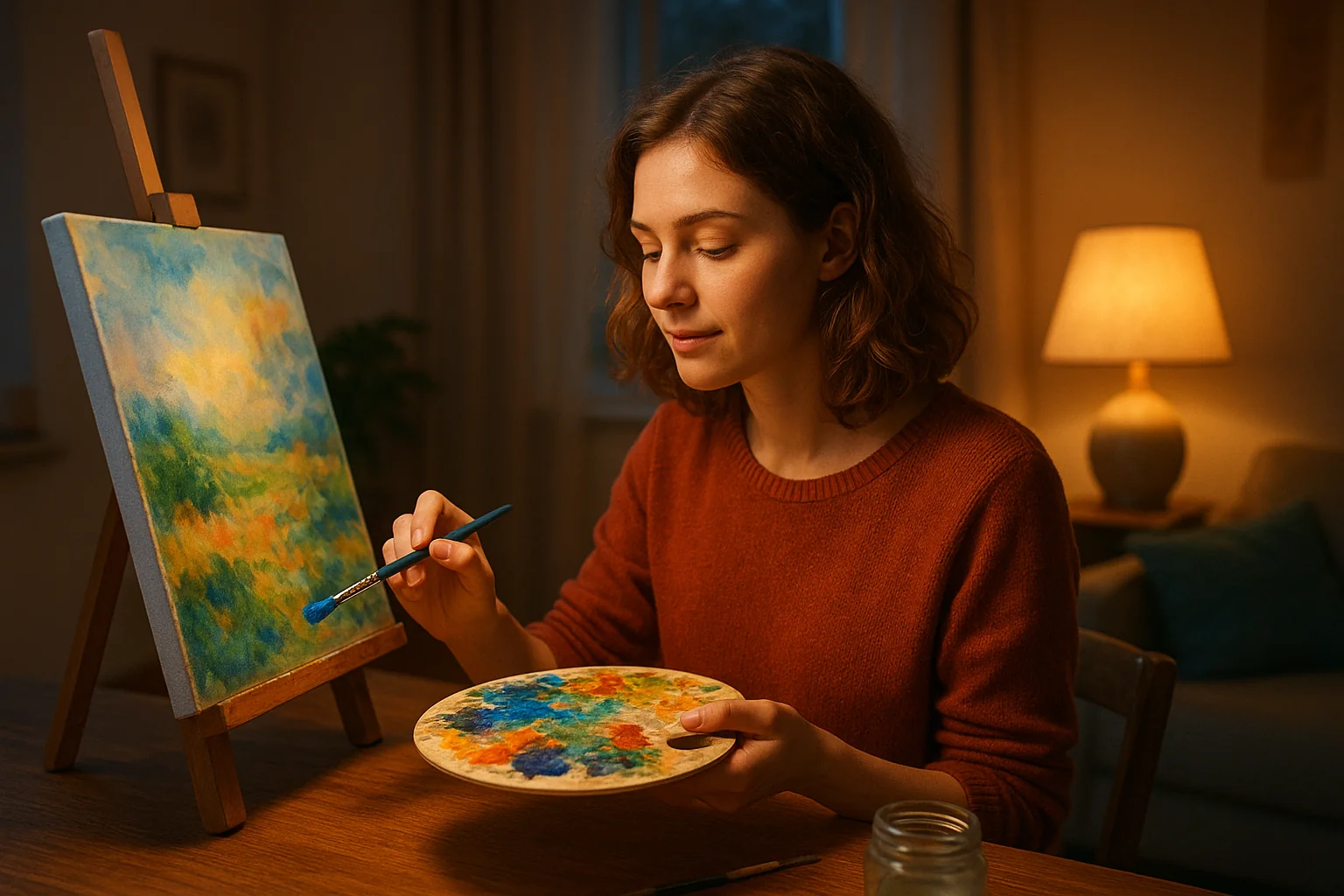
Creative hobbies engage your mind and hands. Learning an instrument, painting, woodworking, cooking elaborate meals, writing—these activities fill time meaningfully and provide a sense of accomplishment that drinking never did.
Social activities that don't involve alcohol—game nights, book clubs, fitness classes, volunteer work—provide connection and structure. The key is scheduling these in advance rather than hoping something will materialize.
Weekend Time
If weekends centered on drinking, you need new weekend activities.
Morning activities work particularly well because they provide momentum for sober weekends and make Friday night drinking less appealing. If you have hiking plans Saturday morning, you're less likely to drink heavily Friday night.
Active pursuits—sports leagues, outdoor activities, fitness challenges—fill hours that might otherwise feel empty. They also provide the social connection that weekend drinking often supplied.
Productive projects can be satisfying in ways drinking never was. Home improvement, learning new skills, working on meaningful goals—these leave you feeling accomplished rather than hungover.
Social Occasions
If socializing always meant drinking, you need new social patterns.
Change the setting. Coffee shops, restaurants (where you order food, not drinks), parks, and activity venues provide social connection without alcohol being central.
Change the timing. Brunch, afternoon activities, and morning meetups are naturally less alcohol-focused than evening gatherings.
Change the activity. Hiking, games, cooking together, attending events—activity-based socializing provides focus beyond "let's have drinks."
Replacing the Stress Relief
If alcohol was your stress management tool, you need alternatives that actually work.
Physical Release
Exercise is the most effective immediate stress reliever available. It works through multiple mechanisms: reducing cortisol, releasing endorphins, providing distraction, and creating a sense of accomplishment.
You don't need intense workouts. A 20-minute walk significantly reduces stress markers. The key is making physical activity accessible—keeping workout clothes ready, having a route planned, or attending classes that create accountability.
Mental Calm
Practices like meditation, deep breathing, and progressive muscle relaxation produce genuine physiological calm. Unlike alcohol, which provides temporary relief followed by rebound anxiety, these practices train your nervous system toward baseline calm.
Research in JAMA Internal Medicine found that mindfulness meditation reduces anxiety and depression. The effects build with practice—the more you do it, the more naturally calm you become.
Start simple. Five minutes of deep breathing when you get home from work. A 10-minute guided meditation before bed. These brief practices can expand over time.
Connection
Stress is often better managed through connection than isolation. Talking to a supportive person about what's stressing you provides genuine relief. The co-regulation that happens in supportive relationships is a powerful stress buffer.
This might mean calling a friend, attending a support group, or talking to a therapist. Having people you can reach when stress mounts is essential replacement for alcohol's stress relief function.
Environmental Changes
Sometimes stress relief comes from changing your environment or circumstances rather than managing your response to unchangeable stressors.
If work stress drove your drinking, addressing the work situation—setting boundaries, changing roles, finding new employment—may be more effective than finding ways to cope with an unsustainable situation.
Replacing the Social Connection
Rebuilding social life without alcohol requires intentionality.
Sober-Friendly Friendships
Some friendships were primarily drinking relationships. Without alcohol, you may find you don't have much in common with certain friends. This is painful but often necessary information.
Meanwhile, cultivate friendships that don't center on drinking. These might be existing friends who don't drink much, new connections made through sober activities, or people from support groups who understand what you're going through.
New Social Contexts
Find social contexts where not drinking is normal:
Activity-based communities—running clubs, book groups, craft circles, volunteer organizations—provide social connection around shared interests rather than shared drinking.
Morning and afternoon activities naturally exclude heavy drinking. Brunch friends, hiking buddies, and coffee companions provide connection without alcohol.
Sober and sober-curious communities specifically provide spaces where not drinking is the norm. Support groups, sober social events, and online communities connect you with others navigating similar changes.
Navigating Drinking Situations
You'll still encounter situations where others are drinking. Strategies for these include:
Have a go-to non-alcoholic drink. Holding something reduces the social awkwardness and the "why aren't you drinking" questions. Club soda with lime, mocktails, or NA beer all work.
Prepare responses for questions. "I'm not drinking tonight" or "I'm taking a break" usually suffice. Most people don't push beyond initial curiosity.
Have an exit plan. Know you can leave if the situation becomes too challenging. This freedom often makes staying more manageable.
During your first week without alcohol, avoiding drinking situations entirely is reasonable. Over time, you'll develop skills to navigate them comfortably.
Replacing the Reward
Alcohol served as reward and pleasure. You need new sources of both.
Immediate Rewards
Your brain expects rewards after difficult experiences. Without alcohol, provide alternatives:
Special non-alcoholic beverages can serve the ritual of "reward drink" without the alcohol. High-quality mocktails, premium sparkling water, or specialty coffee can mark the end of a hard day.
Pleasurable activities—watching a favorite show, taking a relaxing bath, eating something delicious—can become rewards previously reserved for drinking occasions.
The money you save from not drinking can fund new pleasures. Calculate what you spent on alcohol and redirect some of it toward things that genuinely improve your life.
Accumulated Rewards
Track your progress and celebrate milestones. One week sober, one month, 100 days—these achievements deserve recognition.
Notice and appreciate the benefits of not drinking: better sleep, clearer mornings, improved health, weight loss, money saved, better relationships. These accumulated rewards provide motivation during difficult moments.
Finding Flow
Activities that create "flow"—complete absorption in a challenging but achievable task—provide deep satisfaction. This might be sports, creative work, problem-solving, or skill development.
Flow experiences don't just fill time; they provide the kind of satisfaction that alcohol promised but never delivered. You finish them feeling accomplished rather than depleted.
Replacing Emotional Regulation
If alcohol was how you managed emotions, you need a new emotional toolkit.
For Stress and Anxiety
Breathing exercises, physical activity, and connection all help with acute stress. For ongoing anxiety, therapy can provide tools and, if needed, medication addresses the neurological component.
For Boredom
Boredom is a common drinking trigger. Combat it with:
Engaging activities that require attention. Passive consumption (scrolling, watching TV) doesn't relieve boredom the way active engagement does.
Structure and goals. Having things you're working toward gives life direction and reduces aimless time that invites drinking.
Connection. Boredom often masks loneliness. Reaching out to someone can address the underlying need.
For Difficult Emotions
Learning to experience difficult emotions without numbing them is essential recovery work. This doesn't mean suffering through feelings alone. It means developing appropriate ways to process them.
Talking to someone about what you're feeling. Writing about emotions in a journal. Allowing yourself to feel sad without judging the emotion. Seeking professional help when emotions are overwhelming.
For more on managing emotions without alcohol, see our guide on how to self-soothe without alcohol.
Building New Identity and Routine
Sustainable change involves becoming someone for whom not drinking is natural, not constant effort.
Identity Shift
Move from "I can't drink" to "I don't drink." The first implies deprivation and struggle. The second implies choice and identity.
Build identity around positive additions rather than negative subtractions. You're becoming someone who exercises, who has interesting hobbies, who shows up fully for relationships—not just someone who doesn't drink.
Routine Building
New routines take time to become automatic. Research suggests habits form over weeks to months of consistent practice.
Start with one change at a time. Establish an after-work routine before tackling weekends. Build one new activity before adding another.
Use habit stacking—attaching new behaviors to existing routines. "After I get home from work, I change into workout clothes and walk for 20 minutes" is easier to maintain than an unanchored intention to exercise more.
When Replacement Isn't Enough
For some people, finding replacements and building new habits is sufficient. For others, especially those with more severe alcohol use disorder, the neurological pull toward drinking remains strong despite good replacement strategies.
If you've genuinely tried replacement activities but still struggle with strong cravings or repeated returns to drinking, additional support may be needed.
Naltrexone can help by reducing craving intensity and blocking some of alcohol's rewarding effects. This makes replacement activities more satisfying because your brain isn't constantly comparing them unfavorably to alcohol.
For comprehensive strategies including drink replacements, see our guide to alcohol alternatives.
Summary
Successfully replacing drinking requires addressing what alcohol actually provided:
Time: Fill empty hours with physical activity, hobbies, social connections, and productive projects. Plan in advance rather than hoping something will materialize.
Stress Relief: Physical exercise, mental calm practices, and supportive connection provide genuine stress relief without alcohol's downsides.
Social Connection: Rebuild social life through activity-based communities, sober-friendly friendships, and new social contexts where not drinking is normal.
Reward: Create new sources of pleasure and accomplishment. Track progress and celebrate milestones.
Emotional Regulation: Develop a toolkit for managing stress, boredom, and difficult emotions without numbing.
Identity and Routine: Build new habits gradually. Shift identity toward who you're becoming rather than what you're giving up.
If you're looking for support in building a life without alcohol, take an Alcohol Use Assessment to explore your options.