A 2 minute assessment to get a personalized mental health or alcohol recovery plan.

Alcohol does not create acne out of nothing, but it nudges almost every lever that drives a breakout, from oil and hormones to blood sugar and hydration.
What You'll Discover:
• How acne actually forms, in four simple steps.
• The way alcohol pushes your skin to make more oil.
• Why sugary cocktails are tougher on your skin than the alcohol alone.
• How dehydration and inflammation feed breakouts.
• Why so many people see clearer skin after cutting back.
If your skin tends to break out after a weekend of drinks, you are not imagining the pattern. Plenty of people notice the link between a big night and a fresh crop of spots a day or two later.
The honest answer is that alcohol does not directly cause acne the way a clogged pore does. What it does is tilt the conditions in your skin toward breakouts by touching oil, hormones, blood sugar, and hydration all at once.
This is different from the general redness and puffiness alcohol causes in the face. Acne is its own process, with its own drivers, and alcohol manages to poke several of them.
Acne Versus the Alcohol Flush
It helps to separate two things that often get lumped together. The flushed, red face many people get while drinking is not the same as acne.
That flush is mostly blood vessels widening, sometimes with a histamine component. It fades as the alcohol clears. Acne is a clogged-pore process that builds over a day or two and lingers.
Alcohol can drive both, which is why drinkers sometimes deal with redness and breakouts at once. But they are different problems with different fixes, and it is worth knowing which one you are looking at.
If your main issue is persistent redness and visible vessels rather than spots, that points more toward flushing or rosacea, and a dermatologist can help you tell them apart.
How Acne Actually Forms
To see where alcohol fits, it helps to know how a breakout happens in the first place. Acne comes down to four main drivers working together.
First, your skin makes too much oil, called sebum. Second, dead skin cells clog the pore instead of shedding cleanly.
Third, bacteria multiply in that clogged, oily environment. Fourth, your immune system inflames the area, producing the red, sore bump you see.
A detailed look at the four main drivers of acne describes exactly this combination of excess oil, sticky skin cells, bacteria, and inflammation.
Anything that increases oil, raises inflammation, or shifts hormones can tip this system toward more breakouts. Alcohol manages to do all three, which is why it shows up on so many people's skin.
Alcohol, Hormones, and Oil
The most direct link runs through oil production. Your sebaceous glands make sebum, and when they make too much, pores clog more easily.
Alcohol appears to push those glands into overdrive. Research showing that alcohol pushes skin cells to make more oil found that ethanol triggers lipogenesis, the production of fats, inside the oil-making cells of the skin.
That same work noted higher rates of acne in people who drink heavily, which fits the lab findings. More oil means more raw material for clogged, inflamed pores.
Scale matters here. A single drink now and then is unlikely to wreck your skin. The pattern that shows up in the research is regular or heavy drinking, where the oil and inflammation never get a chance to settle.
Hormones add another layer. Drinking can shift levels of androgens like testosterone, and androgens are the hormones that crank up oil glands. Alcohol can also raise cortisol, the stress hormone, which nudges oil production up as well.
So even before you get to sugar or dehydration, alcohol is already turning up the two dials that matter most for breakouts. It increases oil directly and shifts the hormones that increase oil indirectly.
This is part of why acne that flares with drinking often shows up along the jaw and chin. Those areas are especially sensitive to hormonal shifts, so they tend to react first when androgens and cortisol climb.
Sugary Mixers and the Insulin Connection
Here is where the drink itself matters as much as the alcohol. Many drinks come loaded with sugar, and sugar has its own pipeline to acne.
When you drink something sugary, your blood sugar spikes and your body releases insulin. Insulin does more than manage blood sugar. It also signals your skin.
Studies on how insulin tells your oil glands to ramp up show that insulin increases the size and activity of oil glands and boosts androgen signaling in the skin. More insulin, more oil, more breakouts.
A cocktail with soda or juice is a double hit. You get the alcohol effect on oil and hormones, plus a sugar spike that drives insulin and even more oil.
A broader review on how diet and sugar feed acne inflammation ties high-sugar intake to the same insulin pathway that worsens acne.
This is good news in a way. If you do drink, choosing lower-sugar options like a clear spirit with soda water instead of a sugary cocktail can soften the blow to your skin.
Dehydration and Inflammation
Two more pathways round out the picture. Both make breakouts easier and slower to heal.
Alcohol is a diuretic, so it pulls water out of your body and your skin. Dehydrated skin can overcompensate by producing more oil, which feeds the cycle. Dry, stressed skin also heals more slowly, so the spots you have linger.
Inflammation is the other piece. Alcohol raises inflammation throughout the body, and acne is partly an inflammatory condition at every stage.
When your baseline inflammation is already up from drinking, a clogged pore is more likely to become a red, angry bump rather than a small blackhead.
This overlaps with the broader redness we cover in our guide to alcohol and facial inflammation.
Here is how the main factors stack up for your skin.
How Soon Breakouts Show Up, and Why People Differ
Most people who notice an alcohol link see it a day or two after drinking, not the same night. That delay is the breakout cycle catching up.
The extra oil and inflammation from drinking take time to clog a pore, feed bacteria, and surface as a visible spot. So the cocktails on Saturday often show up as Monday's breakout.
How strongly alcohol hits your skin varies a lot. If you are already prone to oily skin, hormonal acne, or insulin sensitivity, you have less buffer and react more.
Triggers also stack. Alcohol on top of poor sleep, a stressful week, and a sugary diet hits harder than alcohol alone. That is why the same few drinks can seem harmless one week and trigger a breakout the next.
This is also why a simple log helps. Track your drinks and your skin for two or three weeks, and your own pattern will become clear faster than any general rule.
Why Breakouts Often Clear After Cutting Back
The encouraging part is that most of these effects are reversible. Take alcohol out of the mix and you turn down several breakout drivers at once.
Many people notice clearer skin within a few weeks of cutting back. Oil production settles, blood sugar stops spiking from sugary drinks, and inflammation eases.
Hydration is often the first visible win. With alcohol no longer pulling water out, skin looks less dull and tired, and the rebound oiliness calms down. We cover this wider reset in our overview of how alcohol affects your skin.
The benefits go beyond acne. The same inflammation and oxidative stress that feed breakouts also speed up visible aging, which is why drinking less helps with alcohol and aging faster too.
You do not need to quit entirely to see a difference. Drinking less often, choosing lower-sugar drinks, and staying hydrated all lighten the load on your skin.
Simple Ways to Support Your Skin Alongside Drinking Less
Cutting back does most of the heavy lifting, but a few habits help your skin recover faster while you adjust.
Hydration comes first. Drinking water alongside any alcohol, and through the next day, offsets the diuretic effect and keeps your skin from going into rebound oil mode.
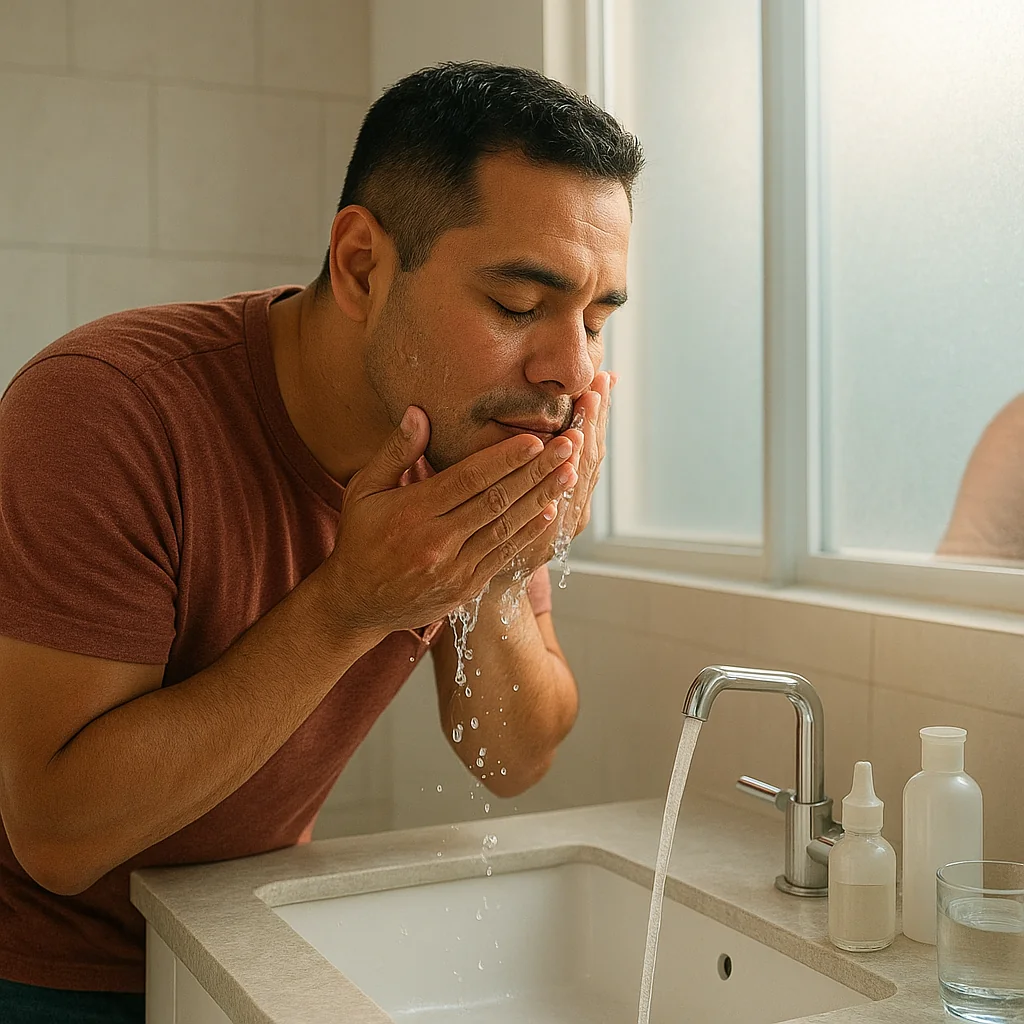
Keep your routine gentle and consistent. A non-stripping cleanser and a light, non-comedogenic moisturizer support the barrier without adding more oil or irritation.
On nights you do drink, favor lower-sugar options and try not to sleep in makeup. Clogged pores plus a night of extra oil is exactly the combination that breeds breakouts.
None of this replaces real acne treatment if your skin needs it. It simply removes obstacles so whatever you are already doing for your skin can work better.
How to Drink Less Without Making It a Battle
Knowing alcohol affects your skin and actually drinking less are two different things, especially when drinks are part of how you unwind or socialize. The aim is a level that works for your skin and your life.
Start small and structural. Set a drink limit before you head out, alternate each drink with water, and keep a few alcohol-free nights each week. When you do drink, lean toward lower-sugar options.
Our guide to the benefits of drinking less alcohol walks through what changes and how to make those habits stick beyond the first week.
For some people the hard part is not the plan but the cravings, and that is not a character flaw. Cravings have real biology behind them, and grinding through them on willpower alone wears you down.
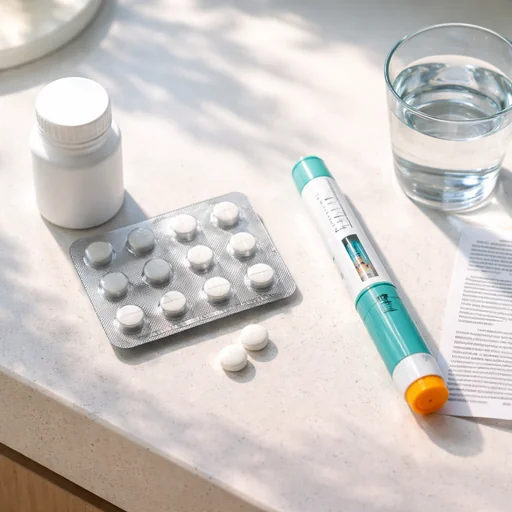
Medication can ease that. Naltrexone is an FDA-approved option that gently reduces the reward and cravings tied to alcohol, which makes cutting back feel more manageable.
It is not an acne treatment. What it can do is help you reduce drinking, which removes several of the things working against your skin. A clinician can tell you whether it makes sense for you.
When to See a Dermatologist
Cutting back helps many people, but it is not a substitute for treatment when acne is moderate or severe. Knowing when to get help saves your skin and your confidence.
See a dermatologist if your acne is deep, painful, or cystic, or if it is leaving scars or dark marks. Those types respond best to medical treatment started early, before scarring sets in.
It is also worth a visit if breakouts are not improving despite a steady routine and cutting back on drinking. There may be a hormonal or other driver that needs a targeted approach.
And if you have realized your drinking is heavier than you would like, a clinician can help with that piece too. Asking for help with alcohol is a sign of good judgment, not weakness.
The Bottom Line
Alcohol does not cause acne by itself, but it leans on nearly every lever that drives a breakout. It raises oil, shifts hormones, spikes insulin through sugary drinks, dehydrates your skin, and adds inflammation.
Because those effects are reversible, cutting back tends to pay off, and many people see clearer skin within a few weeks. Lower-sugar choices and better hydration help even on the nights you do drink.
None of this means you have to swear off drinking forever to have decent skin. It means alcohol is one input you can adjust, and adjusting it usually shows up on your face in a good way.
If alcohol feels harder to cut back on than you would like, that is common, and there is real help. You do not need a label or a crisis to deserve support drinking less.
Frequently Asked Questions
Does alcohol cause acne?
Not directly, but it worsens the conditions that lead to breakouts. Alcohol increases oil production, shifts hormones, spikes insulin through sugary mixers, and raises inflammation, all of which feed acne.
How long after quitting alcohol does skin clear up?
Many people see clearer skin within two to four weeks of cutting back. Oil production settles, hydration improves, and inflammation eases over that window, though deeper acne can take longer.
Which alcohol is best for your skin?
Lower-sugar drinks are gentler on skin. A clear spirit with soda water is usually kinder than a sugary cocktail, beer, or sweet wine, because it avoids the blood sugar spike that drives extra oil.
Can alcohol cause hormonal acne?
It can contribute. Alcohol can shift androgens like testosterone and raise cortisol, both of which increase oil production. For people prone to hormonal acne, that shift can be enough to trigger a breakout.
Why do I break out after drinking?
Usually it is a mix of factors. More oil, a blood sugar spike from sugary drinks, dehydration, and extra inflammation combine to clog and inflame pores a day or two after a night of drinking.
If you want help drinking less so your skin can clear, you can take an online Alcohol Use Assessment with Choose Your Horizon to see whether naltrexone could be a good fit for you. Start your assessment here.