A 2 minute assessment to get a personalized mental health or alcohol recovery plan.

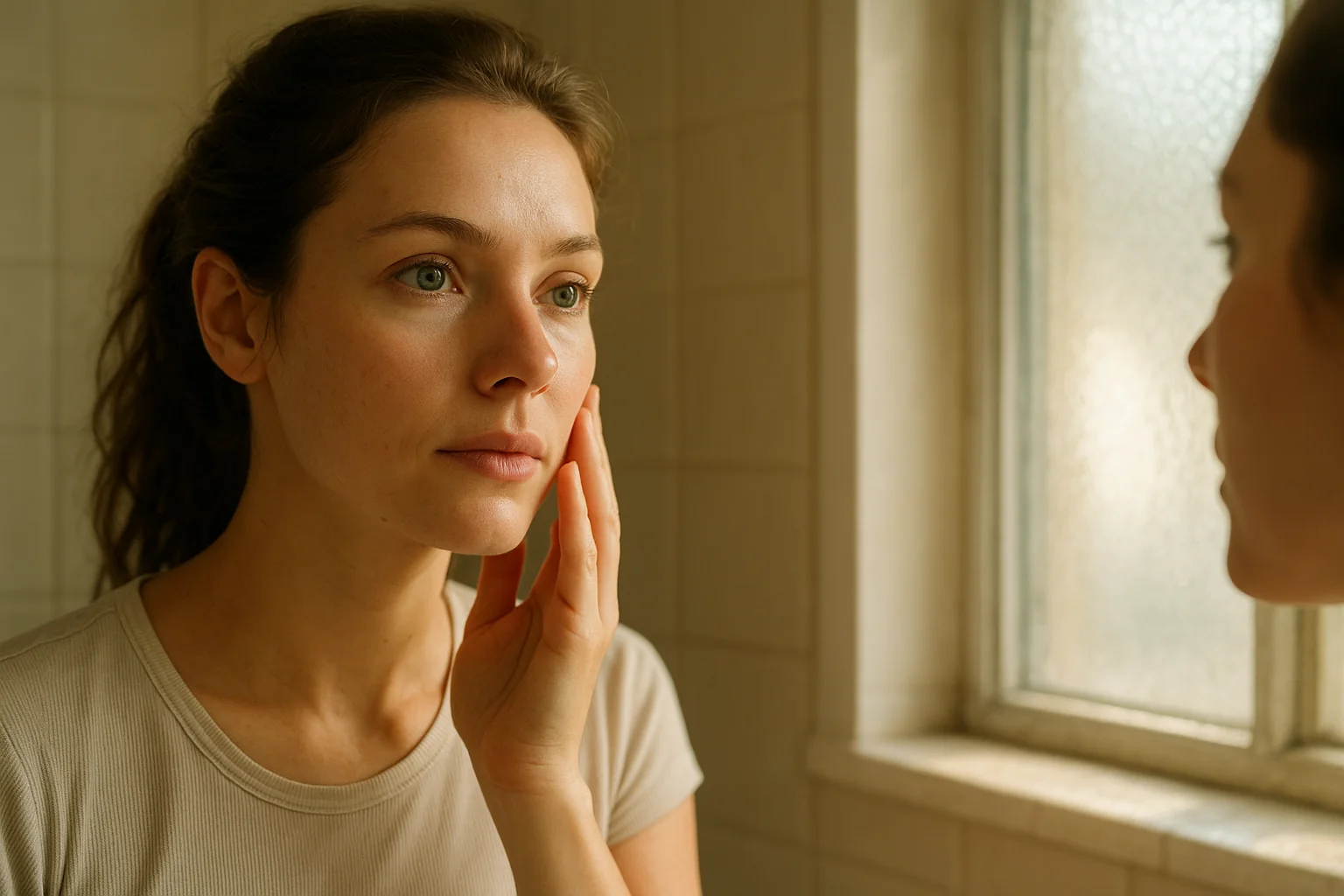
Alcohol causes bloodshot, puffy, dry, and dull eyes through dehydration, vasodilation, and nutritional depletion. Most of these changes begin reversing within days of cutting back, with dramatic improvements by the one-month mark.
What You'll Learn:
• How alcohol causes redness, puffiness, yellowing, dryness, and dullness in your eyes
• A detailed recovery timeline from the first 48 hours through three months and beyond
• Whether alcohol-related eye changes are fully reversible
• When eye symptoms warrant a visit to the doctor
• How nutrition, hydration, and medication-assisted support can accelerate recovery
If you have ever looked in the mirror after a rough stretch of drinking and barely recognized the person staring back, you are not alone. Bloodshot whites, swollen lids, a dull or yellowish tint. Alcohol leaves its fingerprints on your eyes in ways that are hard to ignore. The good news is that many of these changes start to reverse surprisingly quickly once you cut back or stop drinking altogether.
This article walks through exactly what alcohol does to your eyes, what the recovery timeline looks like, and how to tell whether the changes you are seeing need medical attention.
Nothing here is meant to replace a conversation with your doctor. Consider it a starting point to understand what is happening and what you can do about it.
This article is for educational purposes only. If you have concerns about your eyes or your health, please consult a qualified healthcare provider.
How Alcohol Affects Your Eyes
Your eyes are one of the most visible indicators of your overall health. Because they are packed with tiny blood vessels and highly sensitive tissues, they tend to show the effects of heavy drinking before many other parts of your body.
Redness and a Bloodshot Appearance
That familiar red, bloodshot look after a night of drinking is not just cosmetic. Alcohol is a vasodilator, which means it causes your blood vessels to relax and expand.
The delicate blood vessels on the surface of your eye (the sclera) become more prominent when they widen, creating that web of red lines.
On top of that, alcohol is a diuretic. It signals your kidneys to flush more water than you are taking in, which leads to dehydration. When your body is dehydrated, it struggles to produce enough tears to keep your eyes lubricated. The result is irritation and even more redness.
According to the National Institute on Alcohol Abuse and Alcoholism, alcohol's dehydrating effect touches virtually every organ system. The eyes are no exception.
If you drink regularly, that redness can shift from an occasional nuisance to a near-constant feature. Over time, your blood vessels may stay dilated even between drinking sessions, giving your eyes a perpetually tired or irritated look.
Puffiness and Under-Eye Bags
Waking up with puffy, swollen eyes after drinking is one of the most common complaints people notice. There are a few things going on at once.
First, alcohol disrupts your fluid balance. Even though it makes you urinate more, your body responds to the resulting dehydration by holding onto water in other places, especially the soft tissue around your eyes.
That fluid retention creates the puffy, swollen look that can persist well into the next day.
Second, alcohol significantly disrupts sleep quality. Even if you fall asleep easily after drinking, alcohol fragments your sleep cycles and reduces the amount of restorative deep sleep you get.
Poor sleep alone is enough to cause under-eye bags, and when you combine it with fluid retention the effect is amplified. As we explore in our guide to hydration and alcohol, the dehydration cycle that alcohol creates is more complex than most people realize.
Yellowing of the Eyes (Jaundice)
Yellowing of the whites of your eyes is a different kind of warning sign. Unlike redness or puffiness, which are largely about blood vessels and fluid, yellow eyes point to a problem with your liver.
Your liver processes a substance called bilirubin, a yellow pigment produced when old red blood cells break down. Normally the liver filters bilirubin out of your blood efficiently.
But when the liver is damaged or overworked from processing alcohol, bilirubin can build up in the bloodstream. That excess bilirubin deposits in the whites of your eyes and in your skin, producing the yellow tint known as jaundice.
Yellowing eyes should never be brushed off. While mild elevation in bilirubin can be temporary, persistent jaundice may indicate alcoholic hepatitis or more advanced liver damage. If you notice your eyes taking on a yellow hue, talking to a healthcare provider is an important step.
Dry, Irritated Eyes
Chronic alcohol use can disrupt the tear film that coats and protects the surface of your eye. This tear film has three layers, an oily outer layer, a watery middle layer, and a mucus inner layer. Alcohol can impair all three.
Research from the American Academy of Ophthalmology shows that a healthy tear film is essential for clear vision and eye comfort.
The dehydrating effect of alcohol reduces the watery component of your tears. Nutritional deficiencies common in heavier drinkers (especially vitamin A and omega-3 fatty acids) can compromise the oily and mucus layers.
The end result is eyes that feel gritty, burn, or water excessively as your body tries to compensate for the poor-quality tear film.
A Dull, Glassy Look
Beyond specific symptoms, many people who drink heavily notice that their eyes just look "off." Duller, less clear, less alive. This is usually a combination of chronic dehydration, poor sleep quality, and nutritional depletion.
Alcohol interferes with the absorption of several key nutrients including vitamin A, zinc, and B vitamins, all of which play a role in eye health and in the brightness and clarity of your skin and eyes.
This dull, glassy quality is often what other people notice first, even before you do. It is also one of the things that tends to improve most dramatically when someone stops drinking.
Eyes Before and After Quitting Alcohol: A Recovery Timeline
One of the most motivating things about changing your relationship with alcohol is how quickly your eyes can start to bounce back. The timeline varies from person to person depending on how much and how long you have been drinking, your overall health, and other lifestyle factors.
But here is a general picture.
The First 48 to 72 Hours
The earliest improvements happen faster than most people expect. Within the first two to three days of not drinking, many people notice a visible reduction in redness.
As alcohol clears your system, your blood vessels begin to return to their normal state and the chronic vasodilation starts to ease.
Puffiness around the eyes often starts to improve in this window as well. Once your body stops cycling through the dehydration-rehydration pattern that alcohol creates, fluid retention around the eyes begins to resolve.
You may also notice that your eyes feel less dry and irritated as your hydration levels stabilize.
Sleep quality tends to improve even within the first few nights without alcohol. As your sleep normalizes, the dark circles and under-eye bags that come with fragmented rest begin to lighten.
You might not look completely different in three days, but many people describe a noticeable "brightening" of their eyes even at this early stage.
One to Two Weeks
By the end of the first week and into the second, the improvements become more consistent and more noticeable. Your tear film starts to recover as hydration levels stabilize and your body begins to rebuild its reserves of eye-supporting nutrients.
Many people describe their eyes as looking "whiter" and "more awake" during this period.
If you have been experiencing chronic dry eye related to drinking, you may begin to feel genuine relief during this window. The gritty, burning sensation tends to decrease as your tear quality improves.
As we discuss in our article on physical changes when you stop drinking, the first two weeks are often when people start to feel and see real momentum in their recovery.
The puffiness and under-eye bags that may have become a permanent fixture start to recede more noticeably at this stage. Better sleep, more stable hydration, and reduced inflammation all contribute to a fresher, more rested appearance around the eyes.
One Month and Beyond
At the one-month mark and beyond, the cumulative effect of all these improvements tends to be significant.
People who have quit or substantially cut back on drinking often describe looking at photos from a month earlier and being surprised by how different their eyes look.
By this point, chronic redness is usually fully resolved for most people. The whites of the eyes look genuinely white again.
Puffiness and dark circles continue to improve as sleep quality stabilizes and any lingering inflammation subsides.
Yellowing, if it was present, follows a different and typically slower trajectory. Mild jaundice related to temporary liver stress may begin to fade within a few weeks. But if liver damage is more significant, clearing the yellow tint can take several weeks to several months as the liver heals and bilirubin levels return to normal.
According to a review in the National Library of Medicine, the liver has a remarkable capacity to regenerate when alcohol exposure stops. The timeline depends on the extent of the damage.
For people who stick with sobriety or significantly reduced drinking for three months and beyond, the overall appearance of the eyes often continues to improve as nutritional stores rebuild and long-term hydration habits take hold.
Are Alcoholic Eyes Reversible
The short answer for most people is yes, with an important caveat. The majority of alcohol-related eye symptoms are reversible once you stop or significantly reduce your drinking.
Redness, puffiness, dryness, and that general dull appearance all tend to resolve as your body recovers.
However, there are situations where the damage is more serious and may not fully reverse on its own.
Yellowing that persists beyond a few weeks of not drinking may indicate more advanced liver disease that needs medical evaluation and treatment. Your doctor can check your liver enzymes and bilirubin levels with a simple blood test.
Vision changes related to heavy, long-term drinking deserve attention. Chronic alcohol use has been linked to an increased risk of conditions like alcohol-related optic neuropathy, which can affect central vision, and cataracts.
Research published in the Journal of Ophtalmic and Vision Research has documented the relationship between heavy alcohol consumption and various forms of eye disease. If you are experiencing blurry vision, difficulty seeing in low light, or other visual disturbances, see an eye doctor sooner rather than later.
Persistent dryness that does not improve after several weeks of sobriety may have other contributing causes worth exploring with an ophthalmologist, such as autoimmune conditions or environmental factors.
The key takeaway is this. For the vast majority of people, the eye changes caused by alcohol are among the most visibly and rapidly reversible effects of drinking. But if something does not improve within the expected timeline, that is your body telling you to get checked out.
What Else Changes in Your Face When You Quit
Your eyes are just one part of the picture. When you stop drinking, changes tend to cascade across your entire face. Facial bloating caused by fluid retention and inflammation subsides.
Skin texture improves as hydration levels normalize and your body starts absorbing nutrients more effectively. Redness and blotchiness across the cheeks and nose often fade as blood vessels calm down.
Many people find that the combination of brighter eyes, reduced puffiness, and improved skin creates a dramatic overall transformation. If you are curious about the full range of facial changes, our in-depth look at how your face changes when you stop drinking covers everything from jawline definition to complexion changes.
These visible improvements are more than cosmetic. They are outward signs that your body is healing on the inside. Better liver function, improved hydration, more restful sleep, and reduced systemic inflammation.
Supporting Your Recovery: Beyond Willpower
If you are thinking about cutting back or quitting, knowing what to expect is a great first step. But it also helps to know that you do not have to rely on willpower alone.
Hydration and Nutrition
Rehydrating your body is one of the simplest and most impactful things you can do for your eyes during recovery. Aim for consistent water intake throughout the day rather than trying to overcompensate all at once.
Adding foods rich in omega-3 fatty acids (like salmon, walnuts, and flaxseed), vitamin A (sweet potatoes, leafy greens, carrots), and zinc (legumes, seeds, whole grains) can help support your tear film and overall eye health as your body rebuilds its nutritional stores.
Getting enough sleep is equally important. Your eyes repair and rehydrate during sleep. Establishing a consistent sleep routine gives your body the best chance to recover.
Medication-Assisted Support
For many people, the hardest part of changing their relationship with alcohol is not the decision itself but managing the cravings and habits that make it difficult to follow through.
Naltrexone is an FDA-approved medication that works by reducing the rewarding effects of alcohol in the brain. It does not make you feel sick if you drink, and it does not require you to quit cold turkey.
Instead, it helps quiet the cravings and reduce the "pull" that alcohol has, making it easier to drink less or stop entirely. Clinical research involving more than 20,000 participants across 118 trials has shown that naltrexone can significantly reduce drinking frequency and help people maintain their goals over time.
You do not need to have hit rock bottom to benefit from this kind of support. Whether your goal is to quit completely or simply drink less, naltrexone can be a helpful tool as part of a broader approach that includes lifestyle changes and, if you choose, coaching or counseling.
Your Eyes Are Worth the Change
Your eyes are one of the first things people notice about you. They are also one of the first places that show the effects of heavy drinking.
The redness, puffiness, dryness, and dullness that alcohol causes can make you look and feel older, more tired, and less like yourself.
The encouraging reality is that most of these changes are reversible. Many of them start to improve within just days of cutting back or stopping. Within a few weeks, the difference can be striking.
Whiter, brighter eyes. Less puffiness. A more alert, rested appearance. These are not just cosmetic wins. They are visible evidence that your body is healing.
If you are noticing changes in your eyes and wondering whether it is time to make a shift, you are already taking a meaningful step by looking into it. Wanting to feel better and look better is a perfectly valid reason to seek help.
Choose Your Horizon offers a discreet, fully online program that includes physician-guided naltrexone prescriptions, ongoing support, and tools to help you drink less or quit on your terms.
If you are curious whether it might be a good fit, you can take an online Alcohol Use Assessment to get started. It is quick, private, and there is no pressure.