A 2 minute assessment to get a personalized mental health or alcohol recovery plan.

The after-work drink is one of the stickiest habits there is, but it's a habit, not a character flaw, and habits can be rebuilt.
What You'll Discover:
• Why the after-work drink feels automatic, in plain terms.
• How to find the real trigger behind your evening pour.
• Specific swaps to keep the ritual while dropping the alcohol.
• How to ride out the craving window that hits at night.
• Where naltrexone fits, and when heavy daily drinking needs a doctor first.
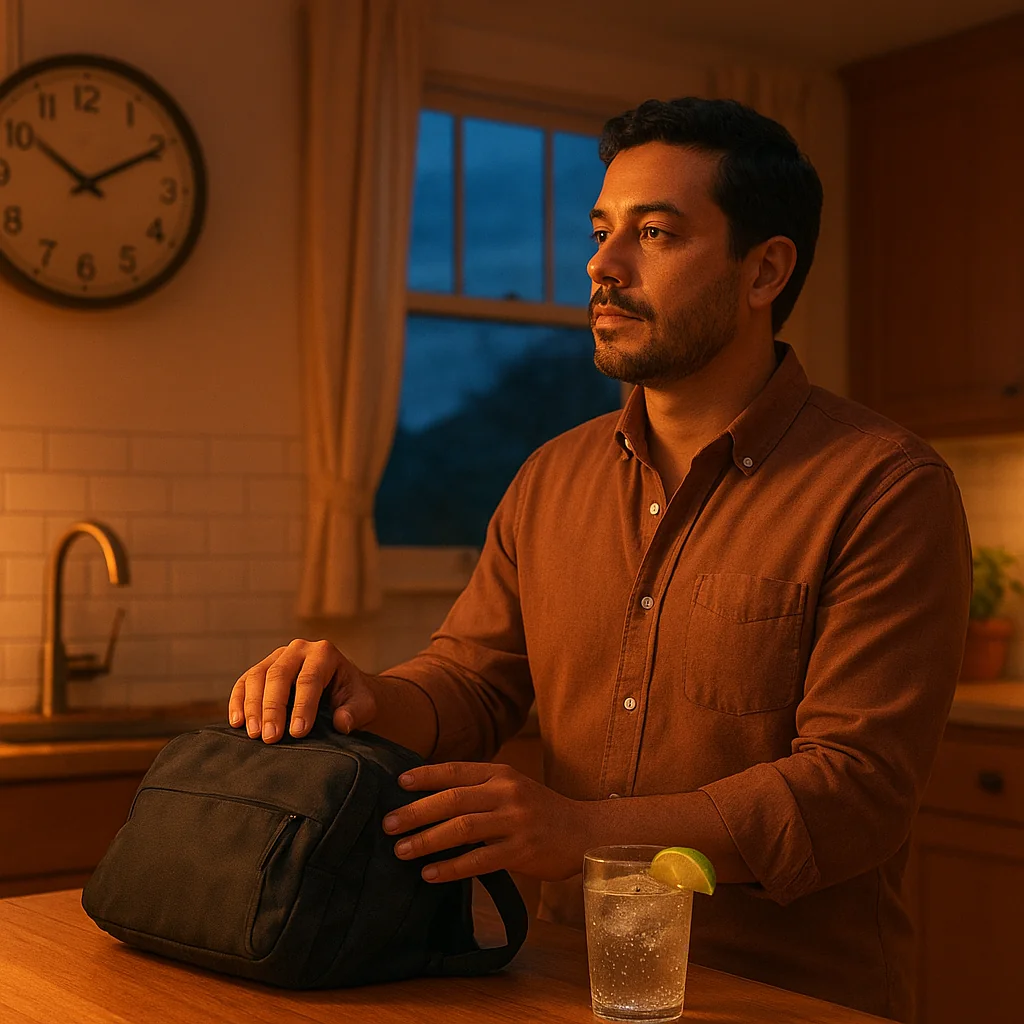
You walk in the door, set down your bag, and pour a drink before you've even thought about it. For a lot of people, that's the after-work routine.
It isn't weakness. It's a habit your brain built through repetition, and the good news is that the same wiring that built it can take it apart.
This guide treats the evening drink as what it actually is. A learned loop with a cue, a routine, and a reward. Change one piece and the whole thing starts to loosen.
Why the After-Work Drink Feels Automatic
Habits run on a simple loop. A cue triggers a routine, the routine delivers a reward, and your brain files the whole thing away to repeat later.
For the after-work drink, the cue is often the moment you get home. The routine is pouring a glass. The reward is the wave of relief that says the workday is over.
Research on how alcohol habits form in the brain shows that repeated drinking shifts behavior toward automatic, cue-driven action. Over time you're not really deciding to drink. You're responding to a trigger.
That's why willpower alone feels exhausting. You're fighting a routine your brain has rehearsed hundreds of times, and it fires before the thinking part of your mind catches up.
The fix isn't to grit your teeth harder. It's to change the cue or the routine so the loop has somewhere new to go.
It also helps to know the loop isn't permanent. The same brain that learned to drink at 6pm can learn a new response at 6pm, and it usually takes weeks, not years, to start feeling natural.
Find Your Real Trigger
Before you can swap anything, you need to know what's actually setting off the drink. The "I'm home" cue is the obvious one, but it's usually layered on top of something else.
Stress is the big one. The drink isn't really about thirst, it's about shedding the tension of the day. The alcohol is just the tool you reached for.
Other common triggers hide in plain sight. The clock hitting a certain hour. Cooking dinner. Sitting down on the couch. A specific chair or a specific show.
For a week, notice the moment right before you pour. Pay attention to what just happened, where you're standing, and what you're feeling. That moment is your real cue, and naming it is the first step to interrupting it.
Once you can name it, you can plan for it. Our guide to starting to drink less walks through tracking your patterns without turning it into a chore.
Swap the Cue, Keep the Ritual
Here's the part most advice gets wrong. You don't have to kill the ritual. You have to give it a new routine that delivers a similar reward.
The reward you're after is usually relief, transition, or a small treat. Plenty of things deliver that without alcohol, and they work because they answer the same need.
The table below maps common after-work triggers to swaps worth trying. Pick one or two and test them this week.
The trick is to make the swap as easy and automatic as the drink was. Keep the alternative visible and within reach, and put the alcohol somewhere less convenient.
Build New Wind-Down Routines
A drink works partly because it draws a clean line between work and home. To replace it, you need something else that says the day is done.
That line can be almost anything, as long as it's consistent. The body and brain respond to ritual, not to the alcohol specifically.
Movement is one of the strongest options. A short walk, a stretch, or a few minutes of anything physical burns off stress hormones and shifts your mood.
Some people change clothes the moment they get home. Others start dinner, call a friend, or sit outside for ten minutes. The point is to claim the transition on purpose.
Build the new routine before the craving hits, not during it. If your wind-down is already underway by 6pm, the cue to drink has less open space to fill.
Set a Limit Before You Pour
A drink that starts as one and ends as three usually isn't a decision, it's drift. Setting a hard number before you begin keeps the evening from sliding.
The NIAAA's strategies for cutting down suggest deciding your limit ahead of time and measuring your pours so a "glass" doesn't quietly become two.
Pacing helps just as much as a cap. Keep it to no more than one drink an hour, and put a glass of water between each one to slow the rhythm.
If counting drinks feels tedious, start small. Our guide to cutting back on drinking breaks down simple ways to track without obsessing over it.
Knowing your number in advance does something subtle. It moves the decision out of the tired, stressed evening moment and into a calmer time when you actually mean it.
Alcohol-Free Days and Your Environment
Two changes do a lot of heavy lifting. Scheduled alcohol-free days, and an environment that doesn't hand you a drink by default.
Pick specific days to be alcohol-free and treat them as fixed, not optional. The CDC's guidance on getting started with drinking less suggests deciding in advance how many days a week you'll drink and sticking to the plan.
Alcohol-free days do something useful. They prove to you that the evening still works without a drink, which chips away at the belief that you need one.
Your environment matters just as much. If there's a cold bottle waiting the second you walk in, the cue and the reward are inches apart.
Keep little or no alcohol in the house, or store it somewhere inconvenient. Stock the fridge with appealing non-alcoholic options instead. Make the easy choice the one you actually want.
Riding Out the Evening Craving
Even with good swaps, the urge will still show up some nights. That's normal, and it's survivable. The key is knowing that cravings crest and fall.
A craving is not a command. It feels urgent, but it peaks and passes, usually within about 20 minutes if you don't feed it.
When one hits, delay instead of deciding. Tell yourself you'll wait 20 minutes, then do something with your hands or your body during that window.
The evening window is the hardest because it's when the day's stress and the old cue line up. We go deeper on this in our piece on alcohol cravings at night.
If urges are consistently strong enough to override your best plans, that's not a willpower problem. It can mean the craving itself needs more than behavior change to settle.
Where Naltrexone Fits
Sometimes habits and environment changes aren't enough, because the pull to drink is biological, not just behavioral. That's where medication can help.
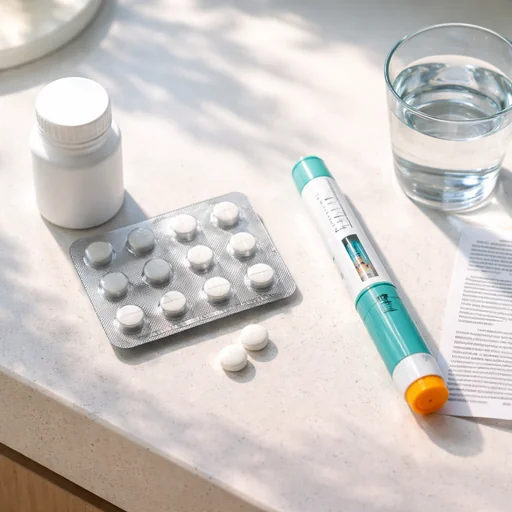
Naltrexone is an oral 50mg tablet that blocks the opioid receptors alcohol acts on. It's the medication Choose Your Horizon prescribes, and by dampening the dopamine surge that makes drinking feel rewarding, it lowers the craving at the source.
You can take it daily, or you can use targeted dosing. Targeted means taking it about an hour before situations where you expect to drink, like that after-work window.
For a habit anchored to a specific time of day, targeted dosing fits naturally. Take it before you leave the office, and the evening pull arrives blunted.
We cover this in detail in our article on whether naltrexone stops alcohol cravings. The short version is that it makes the drink less rewarding, so the loop has less to feed on.
Paired with the swaps above, medication can turn a daily fight into a manageable one. The behavior change rebuilds the habit, and naltrexone quiets the craving while you do.
This combination is often more durable than either piece alone. The medication lowers the volume on the urge, and the new routines give your evenings a different shape, so you're not relying on willpower at your most depleted hour.
Give It More Than a Week
The first few evenings are the hardest, and that's exactly when people decide it isn't working. It's working. It just takes repetition to feel that way.
A habit loop weakens through new reps, the same way it formed. Each evening you respond differently, the old cue loses a little of its automatic pull.
Expect some uneven days. You might breeze through a Tuesday and struggle on a Friday, especially after a rough week. That's not failure, that's the brain recalibrating.
Track wins you can actually see. Alcohol-free nights, drinks not poured, mornings that felt clearer. Those small markers keep you going when the change still feels effortful.
Most people find the new routine starts to feel normal within a few weeks. The pour stops being the default, and the evening belongs to you again.
A Safety Note on Heavy Daily Drinking
One important caveat. If you've been drinking heavily every day for a long stretch, stopping suddenly can be dangerous, not just uncomfortable.
Your body can become physically dependent on alcohol. Pulling it away abruptly can trigger withdrawal symptoms that range from shakes and sweats to, in serious cases, seizures.
The signs of alcohol withdrawal can start within hours of the last drink and need medical attention when they're severe. This is not a reason for shame. It's a reason to get support.
If you drink heavily and daily, talk to a clinician before you quit cold. Cutting back safely sometimes means tapering with medical guidance rather than stopping all at once.
For most people, the after-work drink is a habit to reshape, not a medical emergency. But if any of this sounds like you, please loop in a professional first.
Conclusion
The after-work drink feels automatic because it is. It's a loop your brain rehearsed until it ran on its own, and that means it can be rewired.
Find the real trigger. Swap the routine while keeping the ritual. Set alcohol-free days, fix your environment, and learn to ride out the craving when it crests.
If the pull stays strong, naltrexone can quiet it while your new habits take hold. And if you've been drinking heavily every day, start with a clinician so you can cut back safely.
You don't need to hit a crisis to deserve an easier evening. You don't need a label or a rock-bottom story either. Wanting to drink less after work is reason enough.
Small, repeatable changes add up, and you can start with the very next time you walk through the door. Pick one swap, set one limit, and let the rest follow from there.
Frequently Asked Questions
Why do I crave alcohol every day after work?
The drink has become a habit cue tied to coming home and shedding stress. Your brain learned to expect relief at that moment, so the urge fires automatically.
How do I stop the habit of drinking after work?
Find the exact trigger, then swap the routine while keeping the ritual. A walk, a non-alcoholic drink in a nice glass, or a new wind-down all give similar relief.
How long do after-work cravings last?
A single craving usually peaks and fades within about 20 minutes if you don't act on it. Delaying and distracting yourself helps the urge pass on its own.
Can naltrexone help with after-work drinking?
Yes, it lowers the reward from alcohol, which softens cravings. Targeted dosing about an hour before your usual drinking time fits an after-work pattern well.
Is it safe to stop drinking suddenly?
For occasional drinkers, yes. For people who drink heavily every day, stopping abruptly can trigger dangerous withdrawal, so talk with a clinician first.
What can I drink instead of alcohol after work?
Sparkling water with citrus, herbal or iced tea, or a non-alcoholic option in your favorite glass all work. The ritual of pouring something matters as much as the drink.
If the after-work drink has a tighter grip than you'd like, you don't have to outmuscle it alone. Take the online Alcohol Use Assessment to see if naltrexone could be a good fit for you.