A 2 minute assessment to get a personalized mental health or alcohol recovery plan.

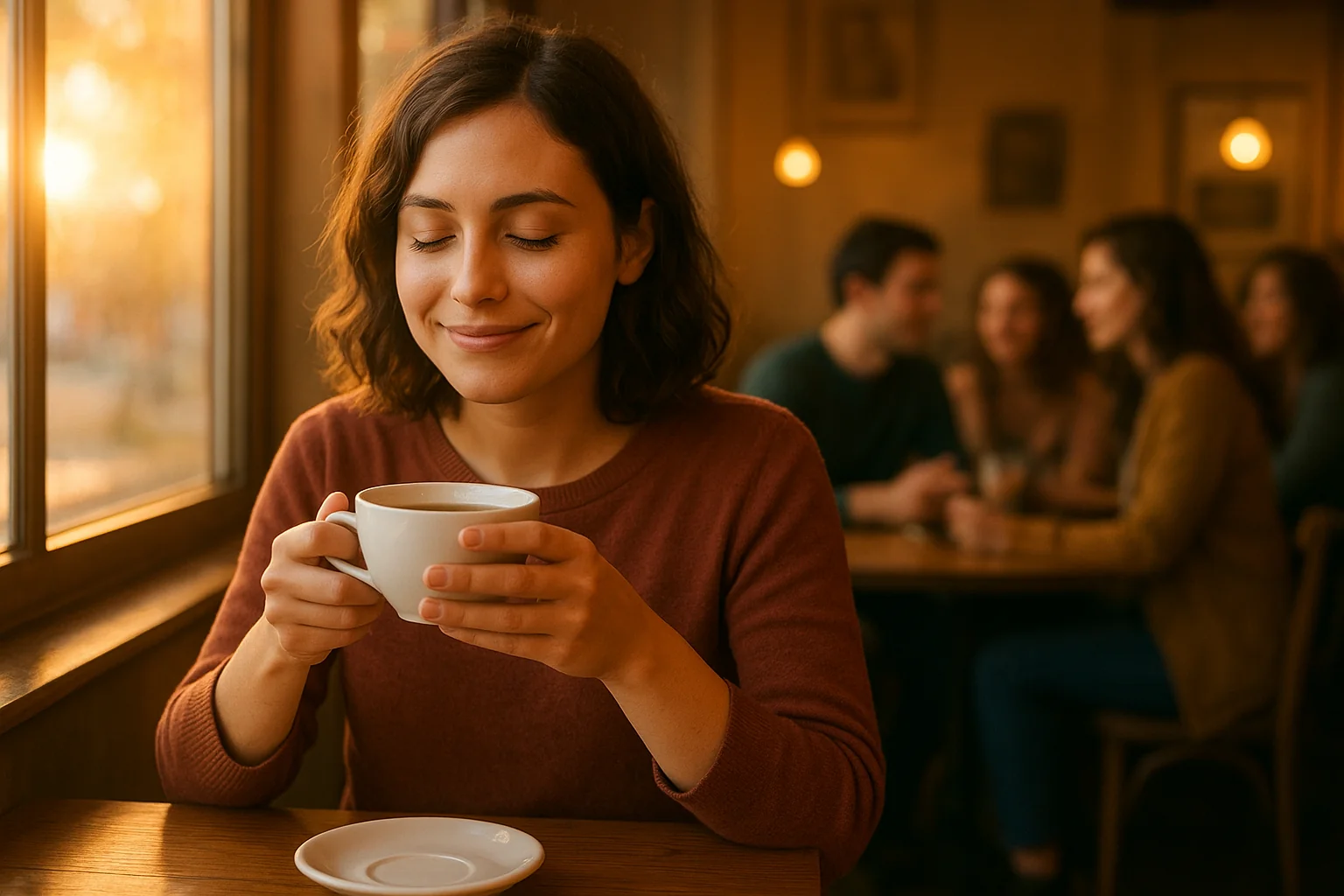
For many people, alcohol and social confidence became so tied together that removing one feels like losing the other. That connection can be broken, but it helps to understand why it formed in the first place.
What You'll Discover:
• Why alcohol feels like it reduces social anxiety and why that effect reverses over time.
• What happens to anxiety when you first stop drinking.
• How long the heightened social anxiety after quitting typically lasts.
• Practical strategies for navigating social situations without alcohol.
• How naltrexone can help during the transition.
A lot of people who drink heavily will tell you it started as social lubricant. One or two drinks and the nervousness in a crowded room lifted. Conversation felt easier. The self-consciousness that had been there for years seemed to dissolve. Over time, those one or two drinks became more, and then drinking moved out of specifically social settings and into everyday life.
When they try to stop drinking, or even to cut back significantly, the social anxiety comes back. Sometimes it comes back harder than it was before the drinking started. This is not a sign that something is broken. It is a predictable neurological consequence of how alcohol has changed the brain, and it does get better with time.
Why Alcohol Seems to Reduce Social Anxiety
Alcohol depresses the central nervous system. At low doses, it reduces activity in the prefrontal cortex, the part of the brain responsible for self-monitoring, social evaluation, and the anticipation of judgment. The result is the familiar sense of loosening up: less self-consciousness, less vigilance about what other people think, more ease in conversation.
It also boosts GABA activity, the brain's main inhibitory neurotransmitter, producing a calming effect on the nervous system. For someone with underlying anxiety, that GABA boost can feel like relief.
The problem is that the brain adapts to regular alcohol use. When alcohol artificially raises GABA activity consistently, the brain compensates by producing less GABA on its own and by becoming less sensitive to it. The result is that baseline anxiety, the anxiety you feel when you are not drinking, increases. The alcohol that felt like it was solving a problem was actually, over time, making the underlying anxiety worse.
The NIAAA notes that alcohol's effects on neurotransmitter systems are broad and that the brain changes associated with regular heavy drinking take time to reverse. Our article on alcohol and anxiety covers the neurochemical mechanism in more detail.
What Happens to Social Anxiety When You First Stop Drinking
When you stop drinking or significantly reduce your intake, the brain's compensatory adjustments are suddenly without the alcohol they were compensating for. GABA activity drops sharply. Glutamate, an excitatory neurotransmitter that the brain had also been suppressing to balance the alcohol-induced GABA boost, now runs relatively unopposed.
The result is a period of heightened anxiety, irritability, and sometimes difficulty sleeping. In social settings specifically, this can feel worse than the original social anxiety that drinking was once managing. The self-consciousness that alcohol used to mute is suddenly louder. Conversations that used to feel easy feel effortful. Being in a room full of people without a drink can feel almost physically uncomfortable.
This is a real neurological state and not just psychological. It is part of what some clinicians refer to as post-acute withdrawal syndrome, or PAWS, a period of neurological readjustment that can last weeks to months after stopping heavy drinking. Our article on post-alcohol anxiety covers this phase in detail.
How Long Does It Last
This is the question most people want answered, and the honest answer is: it varies, but it gets better.
For most people, the acute spike in anxiety in the first one to two weeks after stopping drinking begins to ease as the brain's GABA and glutamate systems recalibrate. Social settings start feeling less overwhelming. Sleep improves, which has a significant effect on anxiety levels. The need for alcohol as a social crutch starts to feel less urgent.
By the four to eight week mark, many people report that social anxiety has returned to something closer to their pre-drinking baseline, or in many cases, less than their baseline, because the alcohol-amplified anxiety is no longer present. For people who have been heavy drinkers for years, the full recalibration can take longer, but the trend is consistently in the right direction.
What does not change on its own is the psychological habit of reaching for a drink when social situations feel uncomfortable. That particular pattern needs active replacement, not just time.
Practical Strategies for Social Situations Without Alcohol
Managing social settings without alcohol is a skill that can be built. Here are strategies that are evidence-consistent and practically useful.
Have a drink in hand that is not alcohol. A sparkling water with lime, a non-alcoholic beer, or a mocktail removes the social signal of not drinking. Many people find that the physical habit of holding and sipping a drink in a social setting does a significant portion of what alcohol used to do, without the neurochemical disruption. Our article on how to socialize without alcohol covers this and other practical approaches.
Arrive early rather than late. Counter-intuitive, but arriving before a room is crowded means you are not walking into an established social scene. You are part of the scene being established. Conversations start smaller and build, rather than requiring you to break into groups.
Have an exit plan. Knowing you can leave at any point reduces the anxiety of feeling trapped. This is not a permission to leave every event after twenty minutes. It is a reduction in the anticipatory anxiety that makes showing up feel so hard.
Prepare a few go-to conversation starters. Social anxiety is often worst in the first thirty seconds of interaction. Having two or three reliable openers reduces that specific friction significantly.
Acknowledge to yourself that the discomfort is temporary. This sounds simple but matters. Anxiety in social settings after quitting drinking tends to peak early in the evening and decline as the evening continues. Knowing that helps you tolerate the first hour.
The Role of Treatment in Social Anxiety Recovery
For some people, social anxiety is significant enough that it benefits from direct treatment, not just time and coping strategies. Cognitive behavioral therapy has strong evidence for social anxiety disorder and can help reshape the thought patterns that make social situations feel threatening. If social anxiety is a major part of your drinking history, speaking with a therapist is worth considering alongside any medication approach.
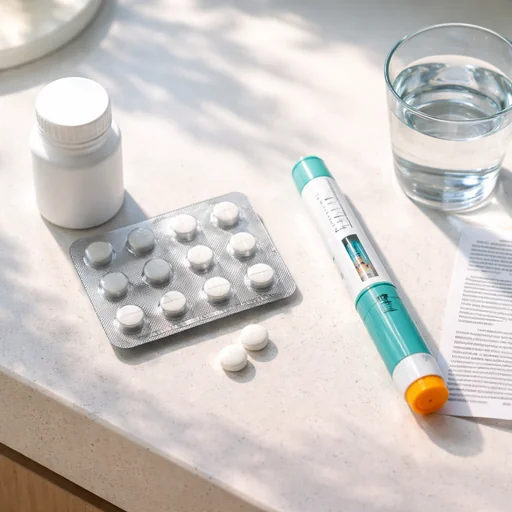
Naltrexone helps specifically in the transition period. By reducing the craving and reward associated with alcohol, it makes it easier to be in social situations without the pull toward drinking. You are not white-knuckling it through the anxiety while the craving is present. The craving is quieter, which gives you more cognitive bandwidth to practice being in social settings sober.
The NIAAA recognizes that treatment for alcohol use disorder is most effective when it addresses both the biological and behavioral components. Medication and behavioral support together produce better outcomes than either alone.
According to a 2023 meta-analysis covering 118 clinical trials and over 20,000 participants, naltrexone is one of the most evidence-supported pharmacological options for reducing drinking frequency and amount. Combined with the behavioral rebuilding of social skills without alcohol, it provides a solid foundation for people navigating this transition.
The National Institutes of Health notes that naltrexone is well-tolerated and produces its effects gradually over the first several weeks of treatment, a timeline that aligns well with the natural recalibration of the brain's anxiety systems after stopping heavy drinking.
What Long-Term Social Life Looks Like Without Alcohol
Here is something most articles about social anxiety and alcohol do not say clearly: for the majority of people who get through the first few months, social life without alcohol becomes easier than social life with it was.
When alcohol is no longer managing anxiety, anxiety tends to decrease over time rather than escalate. The social confidence that builds without pharmaceutical assistance is sturdier. It generalizes. It does not disappear the next morning or require a substance to reinstate.
Many people also find that the quality of their social interactions improves. Conversations are more substantive. They remember the evening. They are present in a way they had not been for years. The anxiety that drove the drinking often turns out to be smaller and more manageable than it felt while alcohol was inflating it.
Getting through the transition is the hard part. That is where support, structure, and the right treatment make the difference. Our article on self-soothing without alcohol offers practical strategies for the emotional regulation that used to come from drinking.
If you are working on reducing your drinking and want to understand what treatment options are available, you can take an online Alcohol Use Assessment to see whether CYH's program could be a good fit. It takes a few minutes, it is completely discreet, and it gives you a clear picture of where to start.