A 2 minute assessment to get a personalized mental health or alcohol recovery plan.

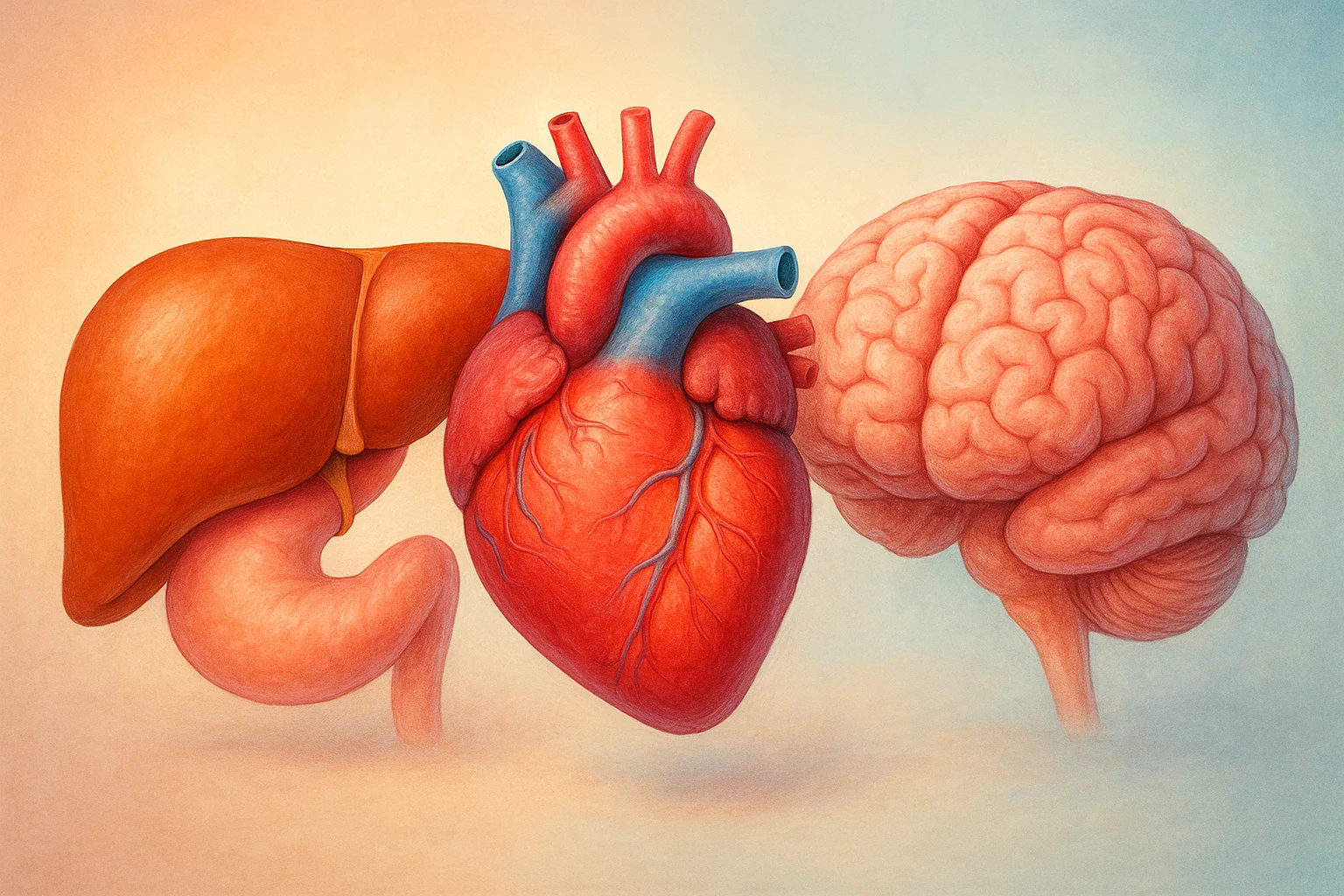
From your liver to your brain to your immune system, stopping alcohol triggers healing throughout your body. Here's what happens and when.
What You'll Learn:
• How each major organ system recovers after stopping alcohol.
• The timeline of internal healing from days to months.
• What symptoms to expect during the transition.
• How your body rebuilds after alcohol damage.
• When to expect various health improvements.
When you stop drinking alcohol, your body begins a comprehensive healing process. Unlike visible changes to your face or weight, many internal changes aren't visible but are equally significant for long-term health.
Understanding what's happening inside your body provides motivation during challenging moments and helps you appreciate the profound healing underway.
The Liver: Your Recovery Center
The liver bears the primary burden of alcohol processing and shows some of the most dramatic recovery.
Alcohol metabolism creates toxic byproducts that damage liver cells. According to the American Liver Foundation, regular drinking can cause fatty liver, inflammation, fibrosis, and eventually cirrhosis.
The liver has remarkable regenerative capacity. During days one through seven, inflammation begins decreasing and fat starts leaving liver cells. During weeks two through four, liver enzymes return toward normal and processing efficiency improves. During months one through three, fatty liver can substantially reverse with significant functional improvement. During months three through six, major healing occurs for those without advanced damage.
For people with mild liver damage, substantial recovery can occur within weeks. More severe damage takes longer but still often improves significantly.
The Brain: Rewiring and Restoration
Alcohol profoundly affects brain chemistry and structure. Recovery happens, but it takes time.
Alcohol disrupts neurotransmitter systems, particularly GABA and glutamate. Chronic use changes brain structure and impairs cognitive function. The National Institute on Alcohol Abuse and Alcoholism documents extensive neurological effects.
Brain healing is measurable across a clear timeline. During days one through seven, neurotransmitter levels begin rebalancing, though this can feel uncomfortable as withdrawal. During weeks two through four, cognitive function improves and mental clarity returns. During months one through three, significant structural and functional improvements become visible on brain scans. During months six through twelve, substantial neurological recovery occurs for most people. Beyond one year, continued improvement remains possible.
Brain fog lifts, concentration returns, memory improves, and emotional regulation stabilizes. Most people notice these changes within the first few weeks.
The Heart and Cardiovascular System
Alcohol affects heart health in multiple ways. Recovery brings significant improvements.
Regular drinking raises blood pressure, increases heart rate, triggers irregular rhythms, contributes to cardiomyopathy (weakened heart muscle), and promotes inflammation in blood vessels.
Cardiovascular improvements begin quickly. During days one through seven, blood pressure begins normalizing and heart rate stabilizes. During weeks two through four, cardiovascular inflammation decreases. During months one through three, blood pressure may return to healthy range and exercise tolerance improves. During months six through twelve, heart muscle can strengthen and arrhythmia risk decreases.
For people with alcohol-related high blood pressure, stopping drinking is often as effective as medication.
The Immune System: Defense Restored
Alcohol significantly impairs immune function. Recovery strengthens your defenses.
According to research in Alcohol Research: Current Reviews, alcohol reduces white blood cell effectiveness, impairs the gut barrier, increases susceptibility to infections, prolongs recovery from illness, and promotes chronic inflammation.
The immune system rebuilds progressively. During days one through seven, initial improvement in immune cell function occurs. During weeks two through four, gut barrier function improves and inflammation decreases. During months one through three, significantly enhanced disease resistance develops. During months three through six, near-normal immune function is restored.
People often notice they get sick less frequently and recover faster from minor illnesses.
The Digestive System: Comfort Returns
Alcohol irritates and damages the entire digestive tract.
Regular drinking causes stomach lining irritation, acid reflux and heartburn, impaired nutrient absorption, disrupted gut bacteria, and increased risk of ulcers.
The gut heals relatively quickly. During days one through seven, stomach irritation begins subsiding and acid production normalizes. During weeks two through four, heartburn resolves and nutrient absorption improves. During months one through three, gut bacteria rebalance and digestive comfort is restored. During months three through six, full digestive function normalizes.
Many people experience immediate relief from digestive symptoms within the first week.
Sleep Architecture: True Rest Returns
Alcohol severely disrupts sleep quality even when it seems to help you fall asleep.
Alcohol suppresses REM sleep, causes fragmented sleep, leads to early morning awakening, reduces overall sleep quality, and creates dependency for falling asleep.
Sleep improvement is one of the most noticeable changes. During days one through three, sleep may worsen initially as the body adjusts. During days four through seven, sleep quality begins improving. During weeks two through four, REM sleep is fully restored and more vivid dreams become common. During months one through three, sleep normalizes and waking refreshed becomes routine.
By the end of your first week without alcohol, most people notice improved sleep quality.
Skin and Appearance
External changes reflect internal healing.
Physical changes when you stop drinking follow a clear progression. During days one through seven, hydration improves and puffiness decreases. During weeks two through four, skin tone evens and redness fades. During months one through three, complexion brightens and texture improves. During months three through six, maximum skin health restoration occurs.
These visible changes motivate continued recovery.
Metabolism and Weight
Body composition often shifts significantly when you stop drinking.
During days one through seven, normal fat-burning metabolism resumes. During weeks two through four, water weight drops and true fat loss begins. During months one through three, significant weight loss occurs for heavier drinkers. During months three through six, body composition optimizes and weight stabilizes.
Many people lose 10 to 20 pounds in the first few months without dietary changes.
The Complete Timeline
Here's what's happening throughout your body at each stage.
During days one through three, your body is in acute adjustment. The liver begins clearing alcohol, neurotransmitters start rebalancing, blood pressure may fluctuate, sleep is often disrupted, and energy is typically low. This is the hardest period. Withdrawal symptoms may occur depending on drinking history.
During days four through seven, initial healing accelerates. Liver inflammation is decreasing, brain fog is beginning to lift, sleep quality is starting to improve, digestive comfort is returning, energy is beginning to increase, and hydration is normalizing. By seven days without alcohol, you're past the worst and seeing benefits.
During weeks two and three, improvements become noticeable. Cognitive function is clearly better, sleep quality is significantly improved, skin and appearance are improving, energy levels are higher, mood is more stable, and digestive function has normalized.
By month one, significant healing has occurred. Liver enzymes are often normalized, brain function is markedly improved, cardiovascular measures are improved, weight loss is visible, appearance is transformed, and overall wellbeing is enhanced.
During months two and three, recovery deepens. Substantial internal healing occurs, maximum short-term improvements are reached, body composition is optimized, energy and vitality reach a new baseline, and risk factors decrease. By three weeks without alcohol, most systems are well into recovery.
During months three through six, long-term healing continues. The liver approaches full recovery if no advanced damage exists, the brain shows structural improvements, immune function is restored, heart health is improved, and chronic disease risk decreases.
During months six through twelve, benefits stabilize and compound. Full recovery occurs for most organ systems, significantly reduced disease risk develops, optimal physical function is restored, and the body adapts to its alcohol-free baseline.
Beyond one year, continued protection develops. Alcohol-related disease risk continues declining, benefits of recovery are fully realized, the body functions optimally, and long-term health is protected.
What to Expect During Transition
The transition isn't always comfortable. Understanding what's normal helps.
Normal experiences include sleep disruption initially, mood fluctuations, low energy early on, intense dreams, occasional cravings, and emotional sensitivity.
Warning signs requiring medical attention include seizures, severe tremors, hallucinations, extreme confusion, rapid heart rate, and high fever. These can indicate severe withdrawal requiring medical supervision. The alcohol withdrawal timeline varies by individual.
Supporting Your Body's Recovery
Several strategies enhance healing.
Drink plenty of water to support all recovery processes. Focus on nutrients depleted by alcohol, including B vitamins, vitamin C, zinc, omega-3 fatty acids, and quality protein. Prioritize seven to nine hours of sleep nightly to support repair. Light exercise supports recovery without overtaxing the body. Reducing stress supports immune function and overall healing.
When Recovery Feels Slow
Not everyone experiences rapid improvement. If recovery seems slow, be patient because some healing takes months and internal changes often precede visible ones. Address other factors like diet, sleep, and stress, as optimizing these helps. Recognize progress, because even subtle improvements matter. Better sleep, more energy, or clearer thinking are real gains. Consider medical evaluation if concerned about recovery pace, as healthcare providers can assess progress through blood tests and other measures.
Maintaining Progress
Body improvements depend on continued sobriety. Returning to drinking reverses gains.
If staying stopped proves difficult, naltrexone can help by reducing cravings and blocking some rewarding effects of alcohol. This makes maintaining your recovery more sustainable.
Summary
When you stop drinking, your entire body heals. The liver clears fat, normalizes enzymes, and restores function. The brain rebalances chemistry, improves cognition, and heals structurally. The heart stabilizes blood pressure and rhythm while strengthening muscle. The immune system improves defense and decreases inflammation. Digestion returns to comfort with improved absorption. Sleep quality improves as true rest returns. Skin shows improved hydration, tone, and appearance. Weight normalizes as metabolism resumes and fat loss occurs.
The timeline progresses from days one through seven with acute adjustment and early healing beginning, to weeks two through four with noticeable improvements across systems, to months one through three with significant recovery and visible transformation, to months three through twelve with deep healing and long-term benefits.
Your body wants to heal. Stopping alcohol gives it the chance.
Ready to start your recovery? Take an Alcohol Use Assessment to explore how naltrexone could support your journey.